
No products in the cart.
Blog Post
Painkillers, Sleeping Pills & Anxiety Medication | UK Guide
Understanding Painkillers, Sleeping Pills and Anxiety Medication.
Understanding Painkillers, Sleeping Pills and Anxiety Medication: A Complete UK Guide

If you’ve ever picked up a prescription and had no idea what you were actually taking, you’re not alone. Millions of people across the UK take painkillers, sleeping pills, or anxiety medication every day — yet most of us know very little about how they actually work, what the risks are, or what our options really look like.
This guide is for anyone who wants straight answers. That includes people who’ve just been prescribed something new, those who’ve been taking medication for a while and want to understand it better, and anyone supporting a family member through treatment.
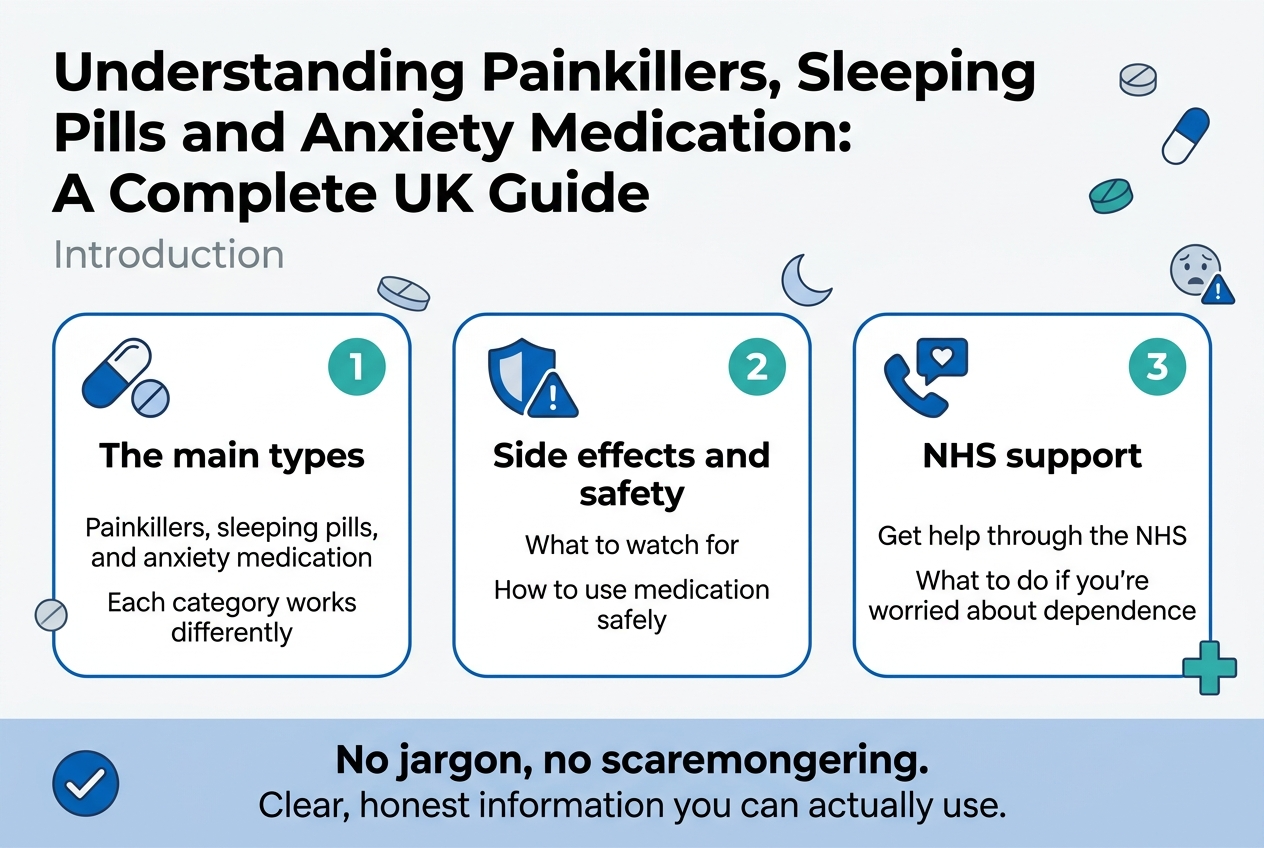
Here’s what we’ll cover:
- The main types of medication — painkillers, sleeping pills, and anxiety medication — and what makes each category different
- Side effects and safety — what to watch for and how to use these medications without putting yourself at risk
- How to access support through the NHS — including what to do if you’re worried about dependence
No jargon, no scaremongering. Just clear, honest information you can actually use.
Quick Answer: What Is the Difference Between Painkillers, Sleeping Pills and Anxiety Medication?
The simplest distinction is based on what the medicine is intended to treat:
| Medicine category | Main purpose | Examples |
|---|---|---|
| Painkillers | Relieve pain and, for some medicines, reduce inflammation | Paracetamol, ibuprofen, codeine-containing medicines |
| Sleeping pills and sleep aids | Help with short-term sleep problems or insomnia | Certain prescription sleeping medicines and pharmacy sleep aids |
| Anxiety medication | Treat symptoms of anxiety or specific anxiety disorders | Antidepressants such as SSRIs; some medicines may be used for short-term anxiety |
| Non-medicine treatments | Address underlying causes and symptoms | CBT, talking therapies, sleep routines and lifestyle measures |
The appropriate treatment depends on the underlying condition, your medical history, other medicines you take and the severity and duration of your symptoms.
The Three Main Categories of Medication Explained
How Painkillers Relieve Pain and When to Use Them
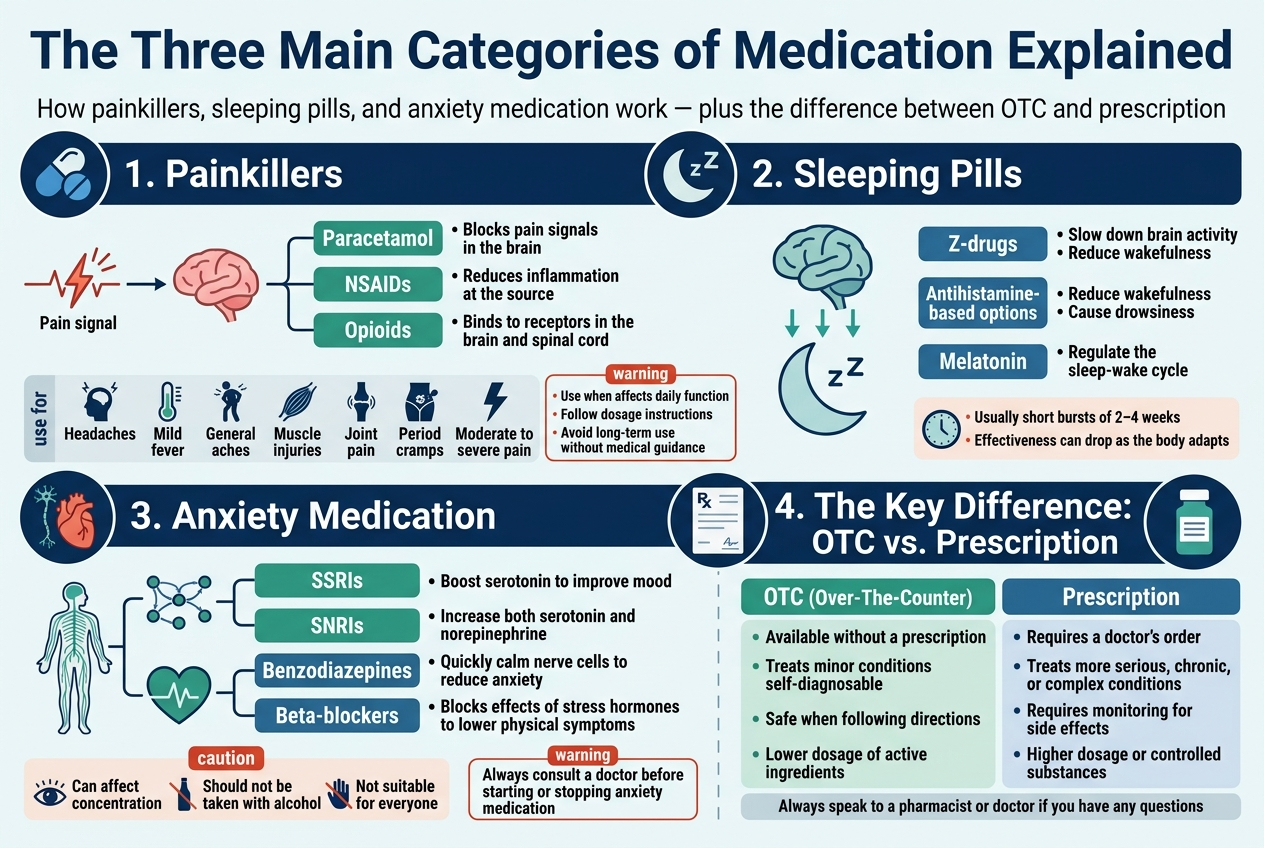
Painkillers work by interrupting the signals your body sends to your brain when something hurts. Different types target different points in that process:
- Paracetamol blocks pain signals in the brain itself and is ideal for headaches, mild fever, and general aches
- NSAIDs (like ibuprofen) reduce inflammation at the source — great for muscle injuries, joint pain, or period cramps
- Opioids (like codeine or morphine) bind to receptors in the brain and spinal cord, reserved for moderate to severe pain
Use painkillers when pain is genuinely affecting your daily function, not purely as a first response. Always follow dosage instructions and avoid taking them long-term without medical guidance. Painkillers, Sleeping Pills & Anxiety Medication
How Sleeping Pills Help You Achieve Restful Sleep
Sleeping pills don’t create natural sleep — they slow down brain activity to make sleep easier to reach. The main types include:
- Z-drugs (zopiclone, zolpidem) — act on GABA receptors to reduce wakefulness
- Antihistamine-based options (like Nytol) — cause drowsiness as a side effect, available over the counter
- Melatonin — regulates your sleep-wake cycle, prescribed for short-term use, especially in older adults
These are typically recommended for short bursts of two to four weeks, as the body adapts quickly and effectiveness can drop.
How Anxiety Medication Calms the Nervous System
Anxiety medications either slow down the nervous system’s overactivity or rebalance brain chemistry over time:
- Benzodiazepines (like diazepam) calm the nervous system fast but carry a high dependency risk
- SSRIs (like sertraline) gradually increase serotonin levels and are the go-to long-term option
- Beta-blockers (like propranolol) target physical symptoms — shaky hands, racing heart — without sedation
- Buspirone offers a non-addictive alternative for generalised anxiety disorder
Key Differences Between Prescription and Over-the-Counter Options
| Feature | Over-the-Counter | Prescription |
|---|---|---|
| Strength | Lower doses | Higher, clinically controlled |
| Availability | Pharmacy or supermarket | GP or specialist only |
| Risk level | Generally lower | Requires monitoring |
| Examples | Ibuprofen, Nytol, paracetamol | Tramadol, zopiclone, sertraline |
Prescription medications are stronger, carry more risk, and need proper clinical oversight. OTC options suit mild, short-term symptoms — anything beyond that warrants a GP conversation. Painkillers, Sleeping Pills & Anxiety Medication
Common Painkillers Available in the UK
Understanding Paracetamol, Ibuprofen and Aspirin
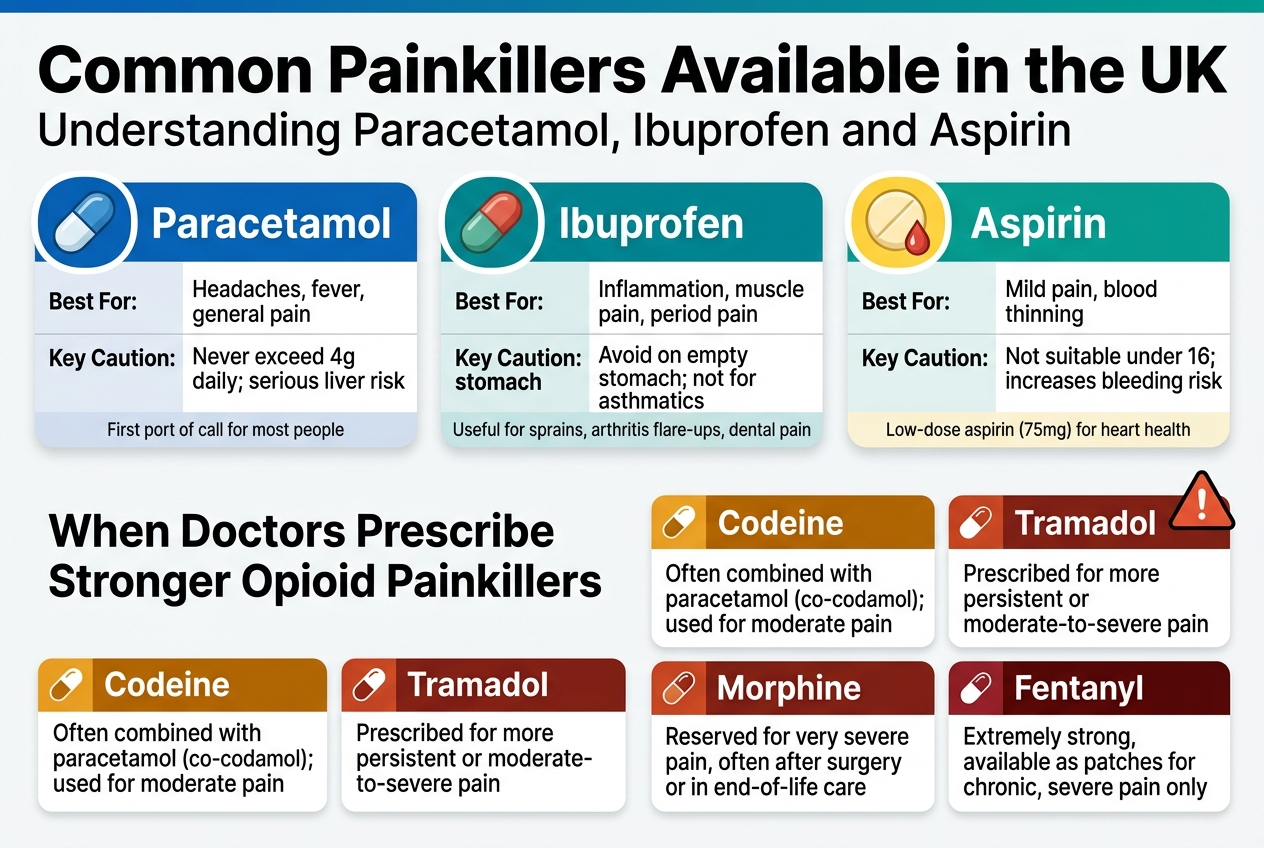
These three are the workhorses of pain relief in the UK, and you can pick them up from any pharmacy or supermarket without a prescription.
| Medication | Best For | Key Caution |
|---|---|---|
| Paracetamol | Headaches, fever, general pain | Never exceed 4g daily; serious liver risk |
| Ibuprofen | Inflammation, muscle pain, period pain | Avoid on empty stomach; not for asthmatics |
| Aspirin | Mild pain, blood thinning | Not suitable under 16; increases bleeding risk |
Paracetamol is usually the first port of call because it suits most people, including pregnant women and those with stomach sensitivities. Ibuprofen is an anti-inflammatory, making it particularly useful for sprains, arthritis flare-ups, and dental pain. Aspirin is less commonly used purely for pain now, but low-dose aspirin (75mg) is widely prescribed for heart health.
When Doctors Prescribe Stronger Opioid Painkillers
When standard painkillers aren’t cutting through, GPs may prescribe opioids. These range from mild to strong:
- Codeine – Often combined with paracetamol (co-codamol); used for moderate pain
- Tramadol – Prescribed for more persistent or moderate-to-severe pain
- Morphine – Reserved for severe pain, including cancer-related pain or post-surgical recovery
- Oxycodone and fentanyl – Typically used in specialist or palliative care settings
Opioids work by binding to pain receptors in the brain, but they carry real risks — dependency, constipation, drowsiness, and respiratory depression at higher doses. The NHS follows strict prescribing guidelines around these medications, and repeat prescriptions are reviewed regularly. Painkillers, Sleeping Pills & Anxiety Medication
Choosing the Right Painkiller for Your Condition
Picking the right painkiller really comes down to the type of pain, your medical history, and what else you’re taking.
- Headache or cold symptoms → Paracetamol
- Muscle strain or joint inflammation → Ibuprofen (if no contraindications)
- Post-operative or injury pain → GP assessment needed; possibly opioids short-term
- Chronic pain conditions → Specialist referral often required
Always check for interactions with existing medications, and speak to a pharmacist if you’re unsure — they’re an underused resource and genuinely brilliant at guiding you through your options without needing an appointment. Painkillers, Sleeping Pills & Anxiety Medication
Sleeping Pills Prescribed and Recommended in the UK
Short-Term vs Long-Term Sleep Solutions Your Doctor May Offer
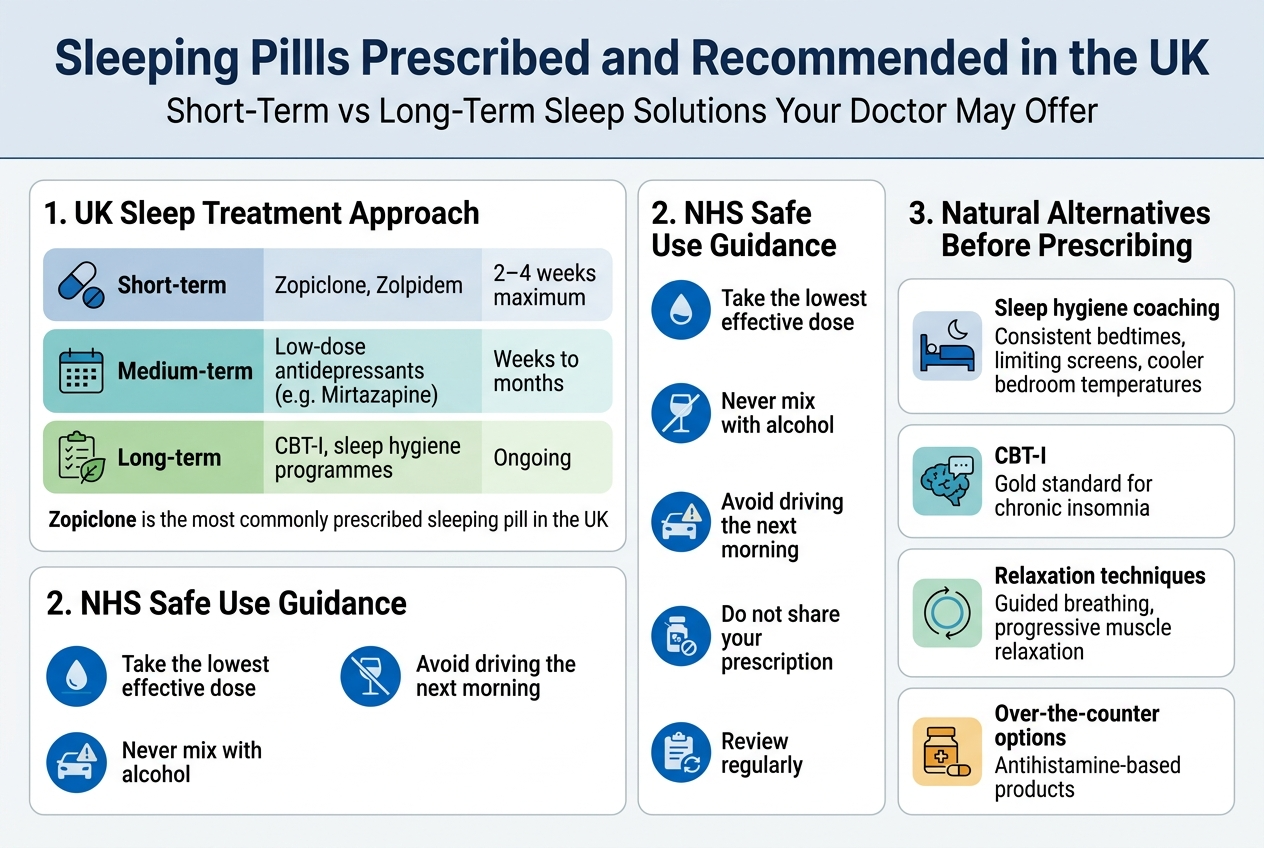
UK doctors typically draw a clear line between short-term and long-term sleep management. Painkillers, Sleeping Pills & Anxiety Medication
| Approach | Common Options | Typical Duration |
|---|---|---|
| Short-term | Zopiclone, Zolpidem | 2–4 weeks maximum |
| Medium-term | Low-dose antidepressants (e.g., Mirtazapine) | Weeks to months |
| Long-term | CBT-I, sleep hygiene programmes | Ongoing |
Zopiclone is the most commonly prescribed sleeping pill in the UK. It works quickly and helps you fall and stay asleep, but it is almost never prescribed for more than four weeks. Zolpidem follows similar rules. Both belong to the Z-drug family and work on GABA receptors in the brain to slow things down enough for sleep to happen.
NHS Guidelines on Safe and Effective Use of Sleeping Pills
The NHS is cautious with sleeping pill prescriptions, and for good reason. Key guidance includes:
- Take the lowest effective dose — your GP will almost always start low
- Never mix with alcohol — this combination seriously amplifies sedative effects
- Avoid driving the next morning — residual drowsiness is real and dangerous
- Do not share your prescription — sleeping pills prescribed for you are tailored to your health profile
- Review regularly — your GP should reassess your need every few weeks
Natural Alternatives Your GP May Suggest Before Prescribing
Most GPs will try non-medication routes first, especially for mild or recent sleep problems:
- Sleep hygiene coaching — consistent bedtimes, limiting screens, cooler bedroom temperatures
- Cognitive Behavioural Therapy for Insomnia (CBT-I) — widely considered the gold standard for chronic insomnia
- Relaxation techniques — guided breathing, progressive muscle relaxation
- Over-the-counter options — antihistamine-based products like Nytol may be suggested for occasional use
- Melatonin (Circadin) — available on prescription for adults over 55 for short-term use
Risks of Dependency and How to Avoid Them
Z-drugs can become habit-forming faster than most people expect. Your brain adapts quickly, meaning the same dose feels less effective within days.
Signs you may be developing a dependency:
- Feeling anxious when you think about skipping a dose
- Needing the pill to feel “normal” rather than just to sleep
- Experiencing rebound insomnia when you miss a night
To reduce risk, always use the minimum effective dose, avoid nightly use if possible, and work with your GP on a tapering plan rather than stopping suddenly.
Anxiety Medications Commonly Used Across the UK
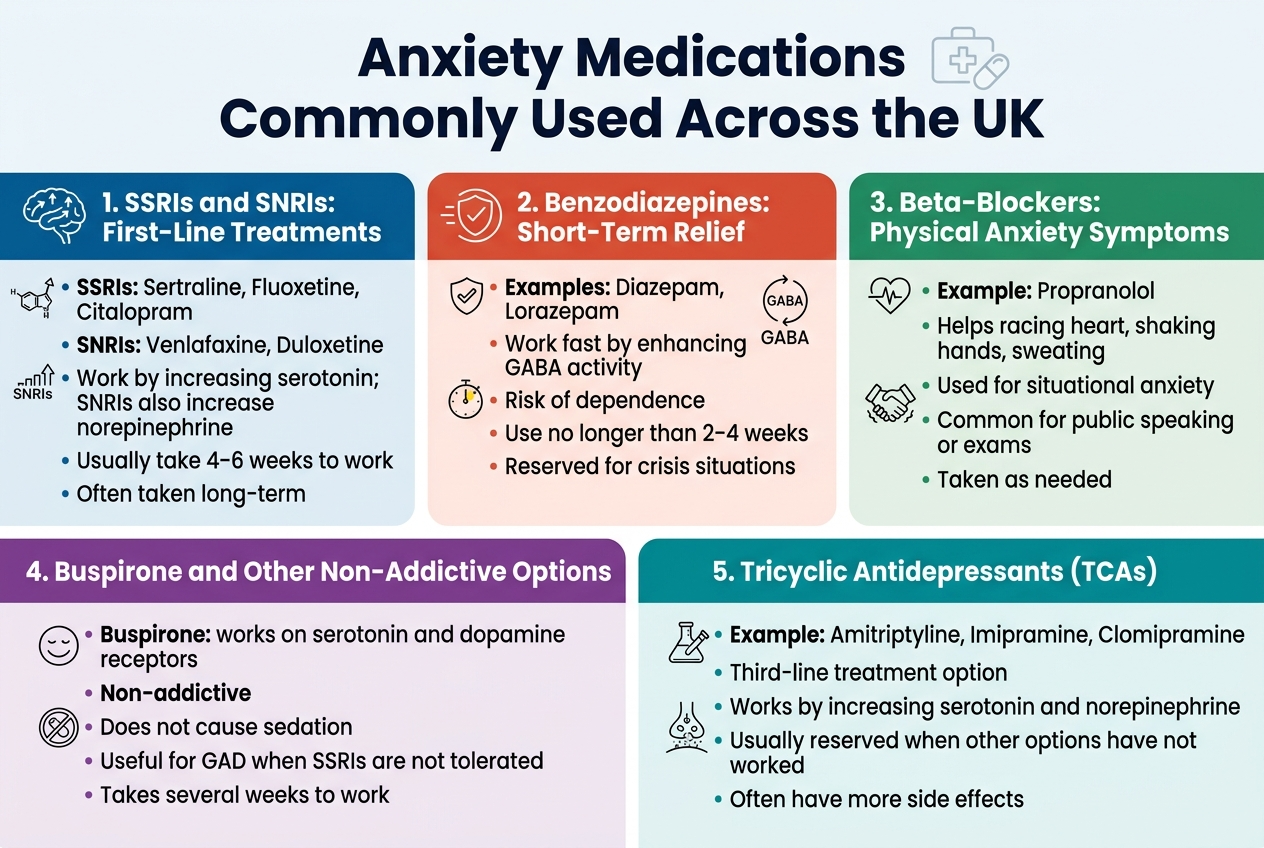
How SSRIs and SNRIs Work as First-Line Treatments
SSRIs (selective serotonin reuptake inhibitors) and SNRIs (serotonin-norepinephrine reuptake inhibitors) are the go-to starting point for most anxiety conditions in the UK. They work by keeping more serotonin — and in the case of SNRIs, norepinephrine — available in the brain, which helps regulate mood over time.
Common examples include:
- SSRIs: Sertraline, Fluoxetine, Citalopram
- SNRIs: Venlafaxine, Duloxetine
These aren’t quick fixes. Most people need 4–6 weeks before feeling a real difference, and they’re typically taken long-term.
The Role of Benzodiazepines for Short-Term Anxiety Relief
Benzodiazepines like Diazepam and Lorazepam calm the nervous system fast by enhancing GABA activity in the brain. They’re effective but carry a real risk of dependence, which is why UK guidelines recommend using them for no longer than 2–4 weeks.
They’re generally reserved for crisis situations or severe short-term anxiety rather than everyday management.
Beta-Blockers and Their Benefits for Physical Anxiety Symptoms
Beta-blockers such as Propranolol don’t touch the psychological side of anxiety — but they’re brilliant for the physical stuff. Racing heart, shaking hands, sweating before a presentation — that’s where they shine.
They’re often prescribed for situational anxiety (like public speaking or exams) and are taken on an as-needed basis rather than daily.
Buspirone and Other Non-Addictive Anxiety Treatments
Buspirone is a lesser-known option that works on serotonin and dopamine receptors. It’s non-addictive and doesn’t cause sedation, making it a solid choice for generalised anxiety disorder (GAD) when someone can’t tolerate SSRIs.
It takes a couple of weeks to kick in, but it doesn’t carry the dependency risks that benzodiazepines do.
Other options worth knowing about:
- Pregabalin — used for GAD, particularly when other treatments haven’t worked
- Hydroxyzine — an antihistamine with calming properties, used short-term
When Therapy Is Recommended Alongside Medication
Medication works best when paired with the right talking therapy. NICE guidelines recommend Cognitive Behavioural Therapy (CBT) as the most effective psychological treatment for anxiety disorders.
| Condition | Recommended Approach |
|---|---|
| GAD | CBT + SSRIs |
| Social Anxiety | CBT (first-line), SSRIs if needed |
| Panic Disorder | CBT + SSRIs |
| Phobias | Exposure therapy |
Medication can reduce symptoms enough to make therapy more accessible — they genuinely work better together.
Understanding Side Effects and Safety Guidelines
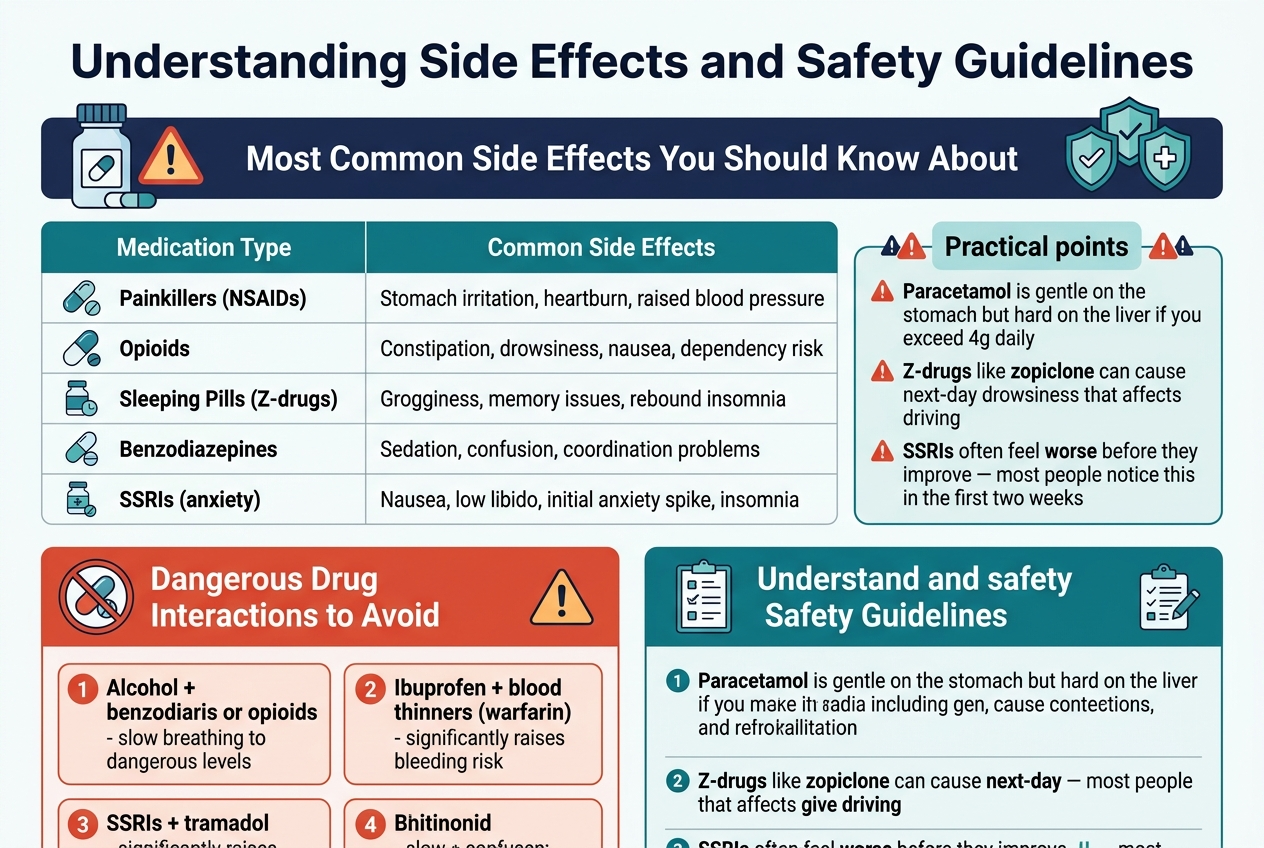
Most Common Side Effects You Should Know About
Every medication carries some risk of side effects, and knowing what to expect makes a real difference.
| Medication Type | Common Side Effects |
|---|---|
| Painkillers (NSAIDs) | Stomach irritation, heartburn, raised blood pressure |
| Opioids | Constipation, drowsiness, nausea, dependency risk |
| Sleeping Pills (Z-drugs) | Grogginess, memory issues, rebound insomnia |
| Benzodiazepines | Sedation, confusion, coordination problems |
| SSRIs (anxiety) | Nausea, low libido, initial anxiety spike, insomnia |
A few practical points worth keeping in mind:
- Paracetamol is gentle on the stomach but hard on the liver if you exceed 4g daily
- Z-drugs like zopiclone can cause next-day drowsiness that affects driving
- SSRIs often feel worse before they improve — most people notice this in the first two weeks
Dangerous Drug Interactions to Avoid
Some combinations are genuinely risky and go beyond simple warnings on packaging.
Combinations to avoid:
- Alcohol + benzodiazepines or opioids — both depress the central nervous system; together they can slow breathing to dangerous levels
- Ibuprofen + blood thinners (warfarin) — significantly raises bleeding risk
- SSRIs + tramadol — can trigger serotonin syndrome, a potentially serious condition causing agitation, fever, and rapid heart rate
- Sleeping pills + antihistamines — compounding sedation raises fall risk dramatically
- Two NSAIDs taken together — doubles stomach and kidney damage risk without extra pain relief
Always check with a pharmacist before adding anything new, including herbal remedies. St John’s Wort, for example, interacts with SSRIs and the contraceptive pill.
Special Considerations for Elderly and Pregnant Patients
For older adults:
- Metabolism slows with age, meaning standard doses can accumulate and hit harder
- Benzodiazepines and Z-drugs are flagged on the Beers Criteria as high-risk for over-65s due to fall and fracture risk
- Kidney function naturally declines, so NSAIDs like ibuprofen can cause quicker harm
- Always start low and review regularly
During pregnancy:
- Ibuprofen is avoided after 20 weeks due to risks to foetal kidney development
- Paracetamol remains the first-choice painkiller but should be used at the lowest effective dose
- Benzodiazepines near delivery can cause neonatal withdrawal symptoms
- SSRIs carry some risk but untreated severe anxiety or depression also carries risk — always discuss with a GP or midwife before stopping
How to Access These Medications Through the NHS
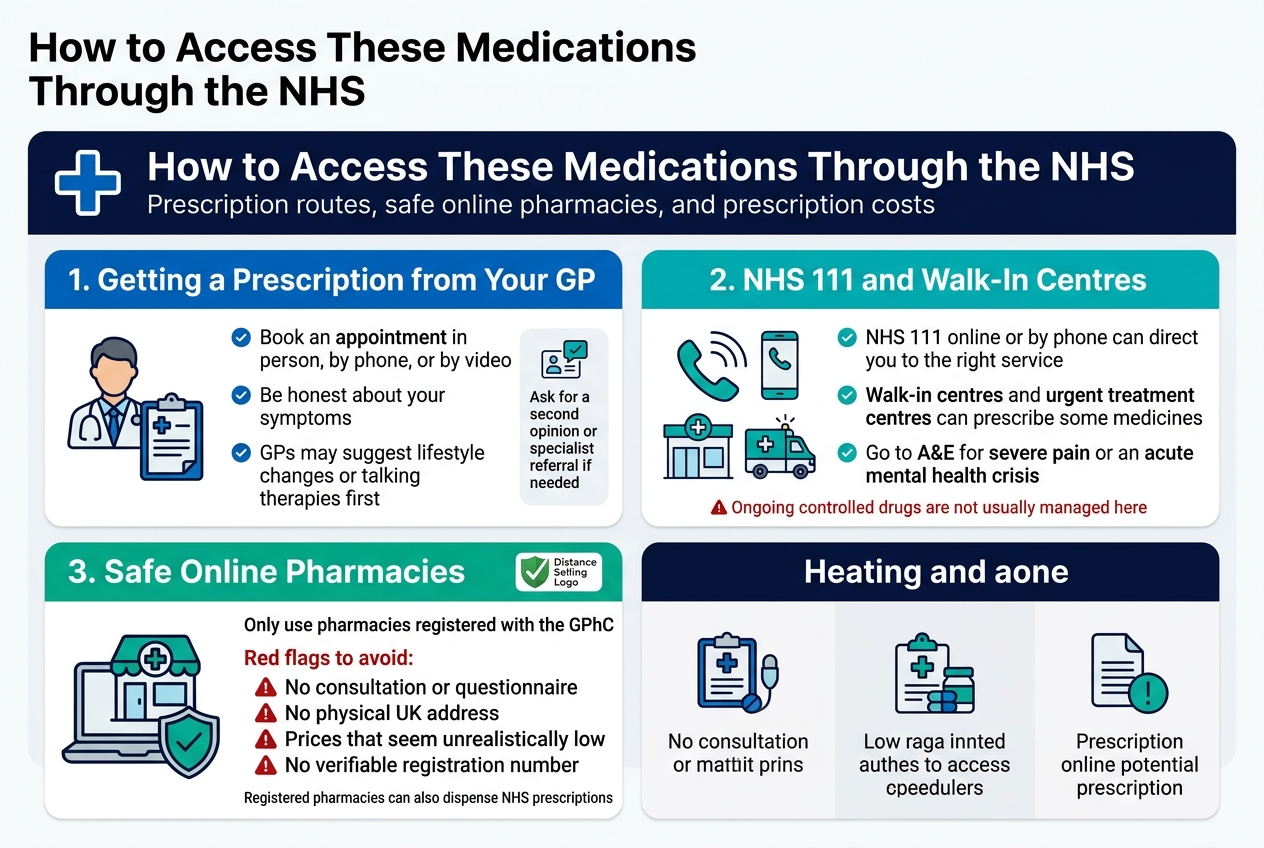
Getting a Prescription from Your GP
Your GP is the starting point for most prescribed painkillers, sleeping pills, and anxiety medications. Book an appointment — either in person or via a telephone or video consultation — and be honest about your symptoms. GPs follow NICE guidelines when prescribing, so they may suggest lifestyle changes or talking therapies before medication, particularly for anxiety and sleep issues. If you disagree with a decision, you’re entitled to ask for a second opinion or request a referral to a specialist.
Using NHS 111 and Walk-In Centres for Urgent Needs
If you need medical advice outside GP hours, NHS 111 (online or by phone) can assess your situation and direct you to the right service. Walk-in centres and urgent treatment centres can prescribe some medications for immediate needs, though they won’t typically manage ongoing prescriptions for controlled drugs like benzodiazepines or opioids. For genuine emergencies — severe pain or an acute mental health crisis — A&E remains the appropriate route.
Safely Buying Medication from Registered Online Pharmacies
Some medications are available to purchase online without a prescription, but safety depends entirely on where you buy. Only use pharmacies registered with the General Pharmaceutical Council (GPhC). Look for the Distance Selling Logo on the website, which links directly to the GPhC register.
Red flags to avoid:
- No requirement for a consultation or questionnaire
- No physical UK address listed
- Prices that seem unrealistically low
- No verifiable registration number
Regulated online pharmacies can also dispense NHS prescriptions electronically — a convenient option if travelling or working away from home.
Understanding Prescription Costs and Exemptions in the UK
In England, the standard prescription charge is £9.90 per item (2026 rate). A Prescription Prepayment Certificate (PPC) caps your costs if you need multiple medications regularly.
| Group | Prescription Cost |
|---|---|
| England (standard) | £9.90 per item |
| PPC (quarterly) | £31.25 |
| PPC (annual) | £111.60 |
| Scotland, Wales & NI | Free |
You pay nothing if you fall into an exempt category:
- Under 16 or under 19 in full-time education
- Over 60
- Holding a valid medical exemption certificate (e.g., epilepsy, diabetes)
- Receiving qualifying benefits such as Universal Credit or Income Support
Recognising Dependence and Getting the Right Support
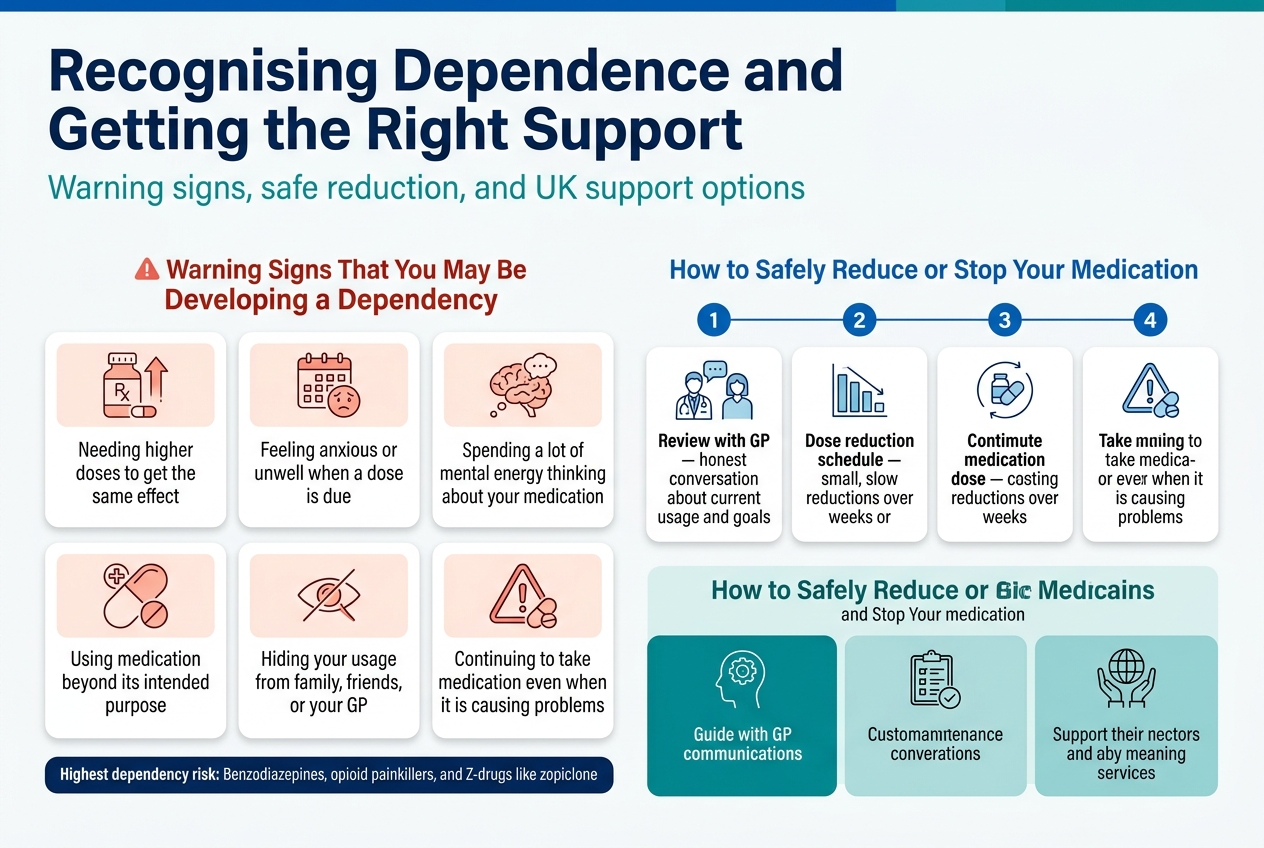
Warning Signs That You May Be Developing a Dependency
Spotting dependency early makes a real difference. Here are the key signs to watch for:
- Needing higher doses to get the same effect you used to get from a lower amount
- Feeling anxious or unwell when a dose is due or if you miss one
- Spending a lot of mental energy thinking about your medication — when you’ll take it, whether you have enough
- Using medication beyond its intended purpose, such as taking sleeping pills to cope with stress rather than sleep problems
- Hiding your usage from family, friends, or your GP
- Continuing to take medication even when you feel it’s causing problems
Benzodiazepines, opioid painkillers, and Z-drugs (like zopiclone) carry the highest dependency risk among medications covered in this guide.
How to Safely Reduce or Stop Your Medication
Never stop abruptly — particularly with benzodiazepines or opioids. Sudden withdrawal can cause serious physical symptoms including seizures.
The safest approach is a gradual tapering plan worked out with your GP or prescriber. This typically involves:
| Step | What Happens |
|---|---|
| Review with GP | Honest conversation about current usage and goals |
| Dose reduction schedule | Small, slow reductions over weeks or months |
| Symptom monitoring | Regular check-ins to manage withdrawal symptoms |
| Psychological support | Therapy or counselling alongside dose reduction |
Your GP may switch you to a longer-acting version of your medication during the taper — for example, diazepam in place of a shorter-acting benzodiazepine — to make the process smoother.
UK Resources and Services That Can Help You Recover
You don’t have to manage this alone. These services are available across the UK:
- NHS Talking Therapies (previously IAPT) — free psychological support, including CBT, which helps address the underlying anxiety or pain driving medication use
- Frank (0300 123 6600) — confidential advice on any substance including prescription medication
- Turning Point — community-based drug and alcohol support across England
- Addaction — specialist support for prescription drug dependency
- Benzodiazepine Information Coalition — peer support and resources specifically for benzo withdrawal
- Your local community drug and alcohol team (CDAT) — referrals available through your GP
Reaching out to your GP is always a good starting point. Be honest about how much you’re taking — they’re there to help, not to judge.
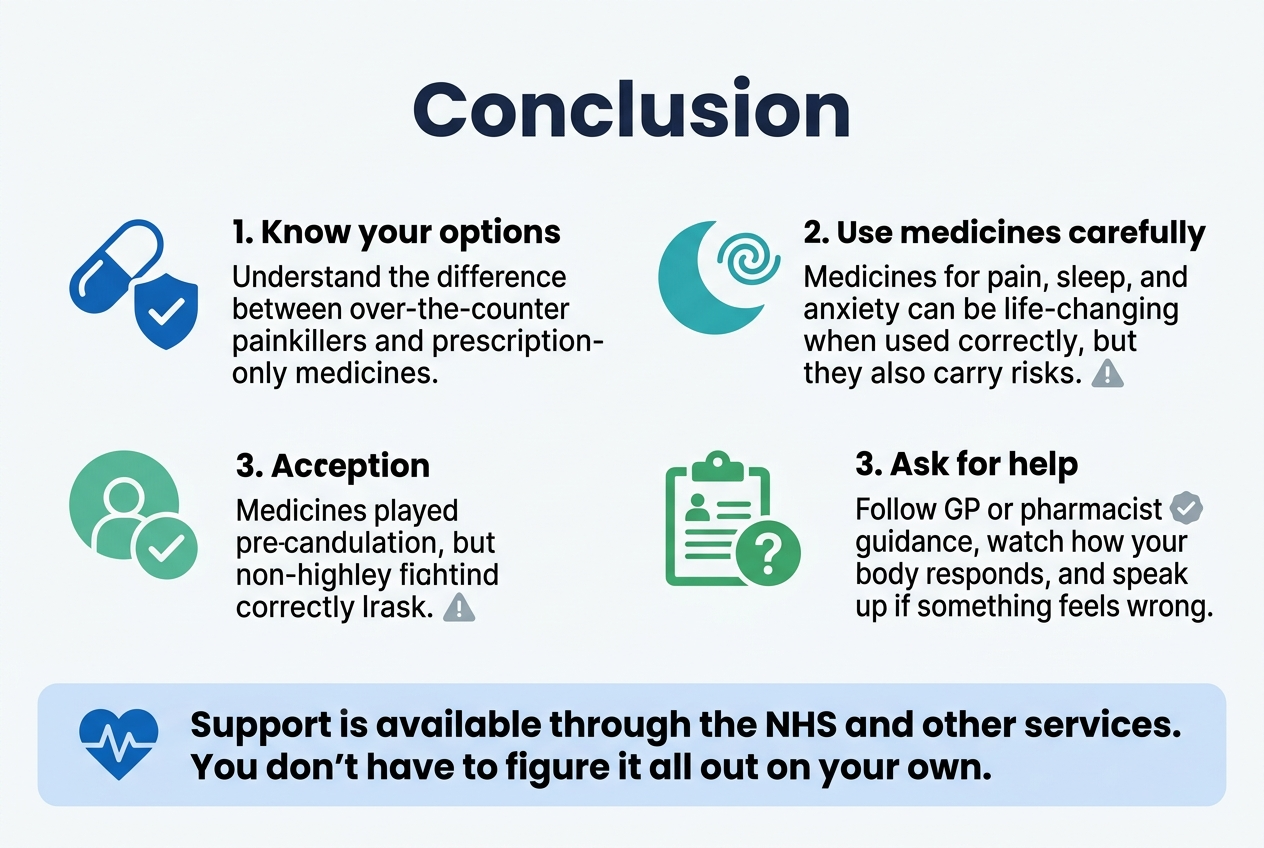
Managing pain, sleep problems, and anxiety is something millions of people across the UK deal with every day, and having the right information makes a real difference. From understanding the difference between over-the-counter painkillers and prescription-only options, to knowing what your doctor might suggest for sleep or anxiety, being clued up helps you make better decisions for your health.
The most important thing to take away is that these medications can be genuinely life-changing when used correctly, but they all come with risks worth knowing about. Always follow the guidance from your GP or pharmacist, pay attention to how your body responds, and never be afraid to ask questions if something doesn’t feel right. If you’re worried about dependence or struggling to cope, support is out there through the NHS and other services. You don’t have to figure it all out on your own.
