
No products in the cart.
Blog Post
UK Medication Safety Guide
UK Medication Safety Guide Tips for Safe Use at Home
Managing your health effectively requires a clear understanding of how to handle prescriptions and over-the-counter treatments. This UK Medication Safety Guide provides essential insights for anyone looking to improve safe medication use at home.
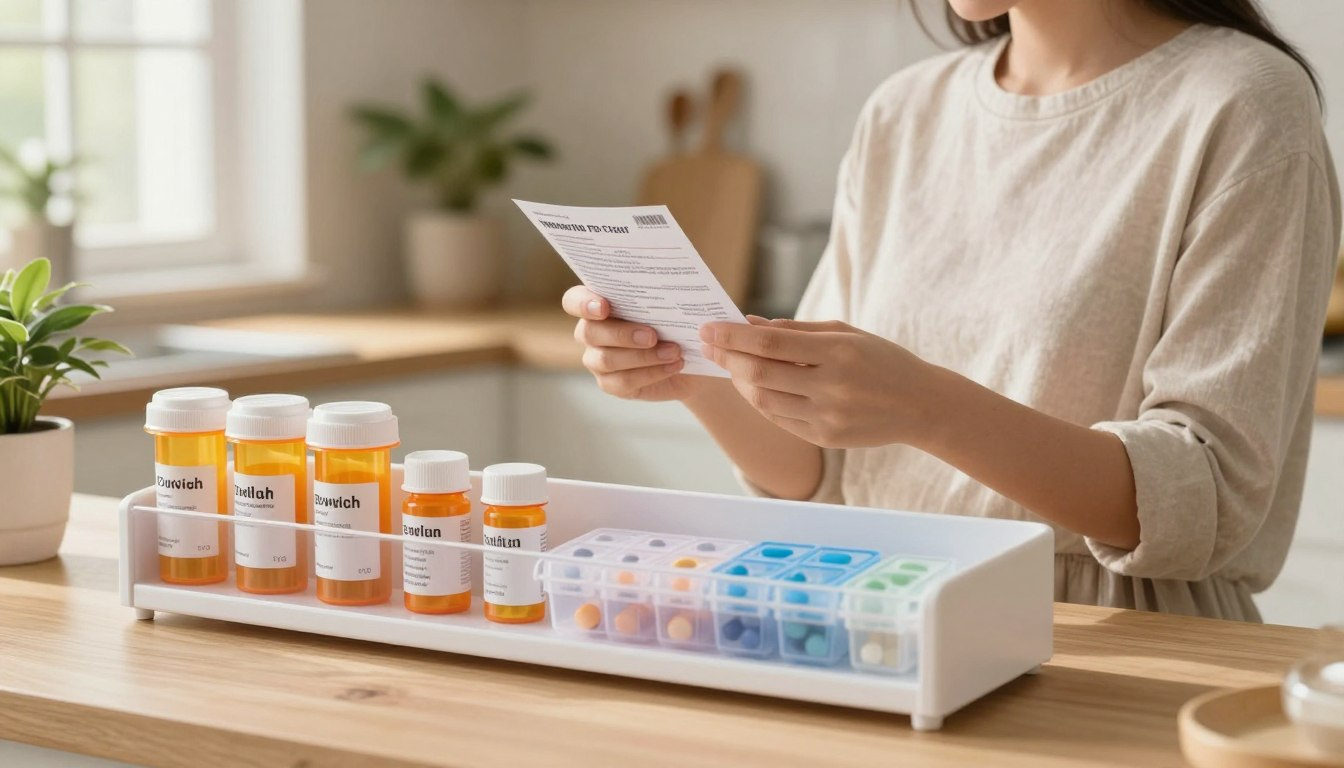
UK Medication Safety Guide
Whether you are dealing with Painkillers, Sleeping Pills, or Anxiety Treatments, proper administration is vital. We will explore how to store your items correctly and why following professional advice is non-negotiable for your wellbeing.
Always refer to the Patient Information Leaflets provided with your items. Consulting with local healthcare professionals ensures you make informed decisions about your health journey. UK Medication Safety Guide
Key Takeaways
- Always read the Patient Information Leaflets included with your prescriptions.
- Store all pharmaceutical products in a cool, dry place away from children.
- Consult your local pharmacist for advice on managing painkillers and anxiety treatments.
- Never share your prescribed tablets with friends or family members.
- Keep an up-to-date list of all your current treatments to show your doctor.
UK Medication Safety Guide: Core Principles for Safer Use at Home
Establishing a safe environment for medicine use is a vital step in protecting your wellbeing. Whether you are managing painkillers, sleeping pills, or anxiety medication, the core principles of medication safety UK remain consistent. By following these standards, you can significantly reduce the risk of accidental harm and ensure your treatment is as effective as possible.
Use medicines only for the person and purpose prescribed
It is essential to remember that medicines are tailored to an individual’s specific health needs. Never share your prescribed tablets or liquids with family members or friends, even if they appear to have similar symptoms. Using a medicine for a purpose other than what it was intended for can lead to dangerous health complications. UK Medication Safety Guide
Follow the label, Patient Information Leaflet and prescriber’s directions
Every medicine comes with specific instructions that must be followed carefully. Always read the Patient Information Leaflet provided in the box, as it contains critical details about dosage, side effects, and storage. If the directions on the label differ from the leaflet, prioritise the instructions given by your GP or pharmacist.
Understand the difference between prescribed, pharmacy and general sale medicines
In the UK, medicines are categorised by how they are supplied. Prescribed medicines require a doctor’s authorisation, while pharmacy medicines are available behind the counter after a consultation. General sale items can be purchased from supermarkets or shops, but they still require careful handling to maintain high standards of medication safety UK.
Ask a pharmacist or prescriber when instructions are unclear
If you feel uncertain about how to take your medication, do not guess. Your local pharmacist is a highly trained professional who can clarify any part of your Patient Information Leaflet or dosage schedule. Seeking professional advice is a core pillar of the UK Medication Safety Guide and ensures you stay on the right path to recovery. UK Medication Safety Guide
Check Every Medicine Before Taking It
Safe medication use at home begins with a simple but essential habit of checking every item before use. By dedicating a few seconds to verify your treatment, you significantly reduce the risk of errors that could impact your recovery or long-term health.
Confirm the medicine name, strength, formulation and dose
Always read the label on the original container to ensure you have the correct medicine. Verify the strength, such as milligrams (mg) or micrograms (mcg), and confirm the formulation, for example, whether it is a tablet, capsule, or liquid. Never assume a medicine is the same as your previous supply, as packaging can look similar even when the contents differ.
Check expiry dates, packaging and appearance
Before administering any dose, inspect the packaging for signs of damage or tampering. Check the expiry date printed on the box or blister pack to ensure the product remains effective and safe. If the tablets or liquids look discoloured, crumbly, or have an unusual odour, do not consume them and seek advice from your pharmacist. UK Medication Safety Guide
Review allergies, medical conditions and previous side effects
It is vital to remain aware of your personal health history before taking any treatment. Always consider your known allergies and whether your current medical conditions might interact with the medicine. If you have experienced adverse reactions in the past, ensure these are clearly documented and discussed with your GP.
Keep an accurate list of prescribed and non-prescription medicines
Maintaining a comprehensive record of everything you take is one of the most effective medicine safety tips. This list should be updated regularly and kept in an accessible place for your healthcare team to review during appointments. UK Medication Safety Guide
Include vitamins, herbal remedies, supplements and recreational substances
Your list must be exhaustive to be truly useful. Include all over-the-counter items, vitamins, herbal remedies, and any supplements you use daily. It is also important to note any recreational substances, as these can cause dangerous interactions with prescribed painkillers, sleeping pills, or anxiety medication.
Take extra care when starting, stopping or changing a medicine
Transitions in your treatment plan are periods of higher risk. When you begin a new medication, monitor your body closely for unexpected changes. Similarly, when stopping or changing a dose, follow the specific guidance provided by your prescriber to avoid withdrawal or loss of therapeutic effect. UK Medication Safety Guide
| Checklist Item | Action Required | Why it Matters |
| Identity | Confirm name and strength | Prevents accidental overdose |
| Integrity | Check expiry and appearance | Ensures chemical stability |
| History | Review allergies and list | Avoids harmful interactions |
| Transition | Monitor new treatments | Identifies early side effects |
Using Painkillers Safely in the UK
Managing pain effectively requires a clear understanding of how different medications work within the body. While many painkillers UK residents use are available without a prescription, they still carry significant risks if used incorrectly. Taking the time to read labels ensures you remain within safe limits.
Paracetamol: avoid accidental duplication and overdose
Paracetamol is a common choice for mild to moderate pain, but it is easy to exceed the recommended paracetamol dosage without realising it. Many cold and flu remedies contain paracetamol alongside other active ingredients.
Check combination products for hidden paracetamol
Always inspect the ingredients list on any multi-symptom medication. If you take a cold remedy and a separate painkiller, you might be doubling your dose, which puts unnecessary strain on your liver. UK Medication Safety Guide
Follow pack limits and seek advice after taking too much
Never exceed the maximum daily dose stated on the packaging. If you suspect you have taken too much, seek medical advice immediately, even if you feel perfectly fine.
Ibuprofen and other anti-inflammatory painkillers: know who should avoid them
Non-steroidal anti-inflammatory drugs (NSAIDs) like ibuprofen are effective for reducing inflammation. However, understanding ibuprofen risks is vital for your safety.
Consider stomach, kidney, heart, asthma, pregnancy and blood-thinning risks
These medications can irritate the stomach lining or affect kidney function. People with heart conditions, asthma, or those taking blood-thinning medication should consult a GP before starting treatment. Always use the lowest effective dose for the shortest time possible. UK Medication Safety Guide
Codeine and other opioid painkillers: understand dependence and sedation
Opioid-based painkillers are stronger and carry a higher risk of side effects. They can cause significant drowsiness, which impacts your ability to perform daily tasks safely.
Never share opioid medicines or combine them with alcohol without medical advice
Sharing these medicines is dangerous because individual health needs vary greatly. Combining them with alcohol increases the risk of severe sedation and respiratory issues.
Use topical pain relief products according to their directions
Topical gels and creams offer a targeted approach to pain relief with fewer systemic side effects. Ensure you apply them only to intact skin and wash your hands thoroughly after use to avoid accidental contact with your eyes or mouth.
Review persistent pain instead of repeatedly increasing the dose
If your pain does not improve, do not simply increase your medication intake. Persistent pain often requires a different clinical approach rather than higher doses of the same drug. Speak with your pharmacist or GP to explore safer, long-term management strategies.
| Medication Type | Primary Use | Key Safety Concern |
| Paracetamol | Mild pain/fever | Liver damage from overdose |
| Ibuprofen | Inflammation/pain | Stomach and heart risks |
| Codeine | Severe pain | Dependence and sedation |
Sleeping Pills and Night-Time Medicines: Reducing Harm
Many people in the UK turn to night-time medicines to manage sleep difficulties, but understanding their risks is vital for safety. While these treatments can provide temporary relief, they are not intended as a permanent solution for sleep issues. UK Medication Safety Guide
Understand why sleeping pills are usually intended for short-term use
Healthcare professionals typically prescribe sleeping pills UK for very short periods, often just a few days or weeks. This approach helps to prevent the body from becoming overly reliant on the medication to function. Using these aids for too long can mask the underlying causes of insomnia rather than resolving them. UK Medication Safety Guide
Take sedating medicines only when enough time remains for sleep
It is essential to ensure you have at least seven to eight hours available for uninterrupted rest after taking a sedative. Taking these medicines too late in the night can lead to significant impairment the following morning. Always check the specific instructions provided by your pharmacist regarding the timing of your dose.
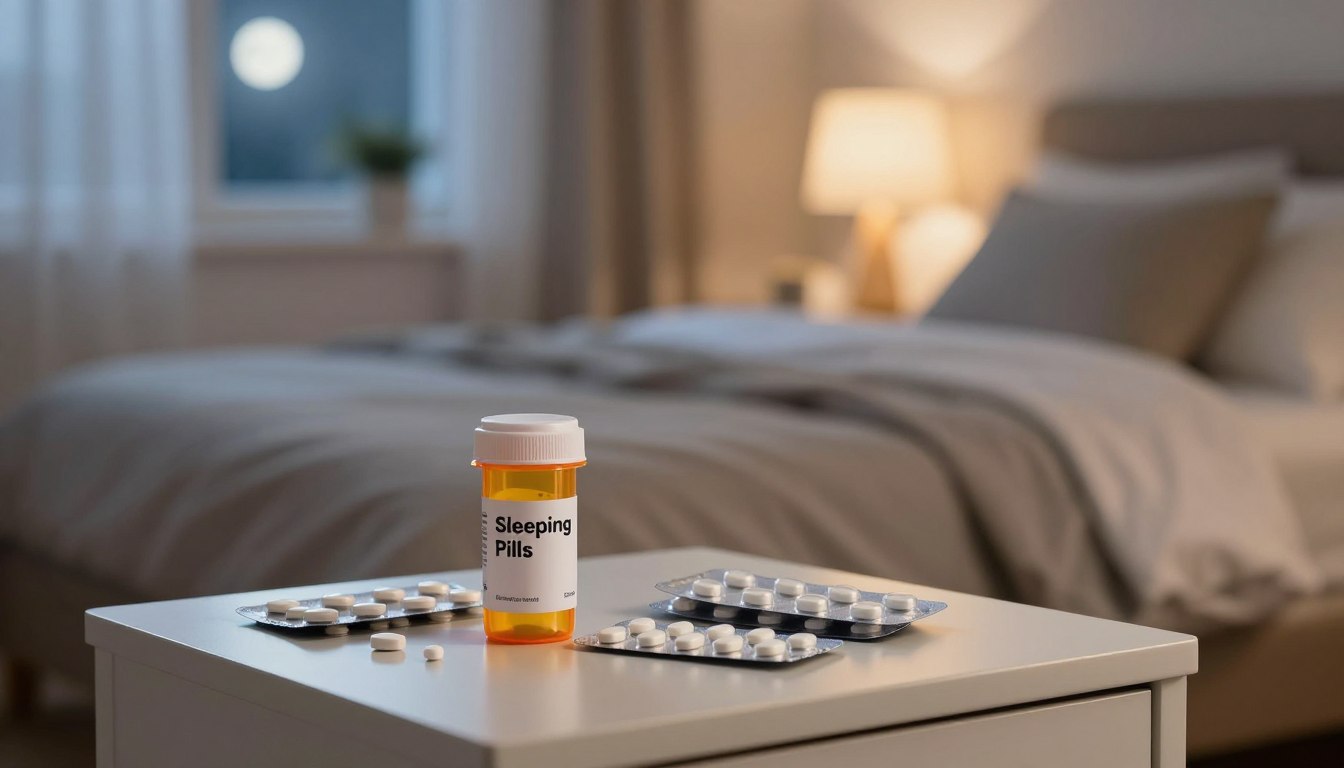
sleeping pills UK
Avoid alcohol, driving and other activities requiring alertness
Combining sedatives with alcohol is extremely dangerous and can lead to severe respiratory depression or unconsciousness. You must avoid driving, operating heavy machinery, or performing tasks that require full concentration while under the influence of these medicines. The sedative effects can linger longer than you might expect, impacting your ability to react safely.
Recognise next-day drowsiness, poor coordination and memory problems
Even after a full night’s sleep, some individuals may experience a “hangover” effect. This can manifest as next-day drowsiness, reduced physical coordination, and temporary memory lapses. If you notice these symptoms, it is important to speak with your GP, as your dosage or medication type may need adjustment. UK Medication Safety Guide
Use caution with zopiclone, zolpidem and sedating antihistamines
When considering zopiclone safety, it is crucial to follow the prescribed dose strictly. Zopiclone and zolpidem are potent hypnotics that carry a high risk of dependence if misused. Similarly, while some antihistamines are used for sleep, they can cause significant grogginess and should be used with caution, especially in older adults. UK Medication Safety Guide
Do not increase the dose or repeat a dose after waking during the night
If you wake up in the middle of the night, never take an additional dose of your medication. Doubling up can lead to an accidental overdose and severe impairment the next day. If your current treatment is not keeping you asleep, consult your doctor rather than altering the dose yourself. UK Medication Safety Guide
Discuss dependence, tolerance and withdrawal before stopping regular treatment
Over time, your body may develop a tolerance, meaning the medicine becomes less effective at the same dose. Stopping these medications suddenly can trigger withdrawal symptoms, such as rebound insomnia or anxiety. Always work with your healthcare provider to create a gradual tapering plan to stop treatment safely.
Anxiety Medication: Safe Use, Dependence and Stopping Treatment
Navigating the landscape of anxiety medication UK involves distinguishing between long-term maintenance and short-term relief. Understanding how these treatments function is essential for your safety and recovery.
Distinguish between longer-term treatments and short-term calming medicines
Understand the different roles of SSRIs, SNRIs, benzodiazepines and other treatments
Selective Serotonin Reuptake Inhibitors (SSRIs) and Serotonin-Noradrenaline Reuptake Inhibitors (SNRIs) are typically prescribed for long-term management. These medications work by balancing chemicals in the brain over several weeks.
In contrast, benzodiazepines are often used as short-term calming medicines. They provide rapid relief but carry a higher risk of benzodiazepine dependence if used for extended periods. UK Medication Safety Guide
Take antidepressants consistently and allow time for benefits to develop
Antidepressants require consistent daily use to be effective. You may not notice an immediate improvement in your symptoms, as it often takes several weeks for the full therapeutic benefits to develop.
It is important to continue taking your prescribed dose even if you feel well. Stopping too early can lead to a return of symptoms.
Recognise early side effects and changes in mood or behaviour
When starting a new treatment, you might experience mild side effects such as nausea or increased restlessness. These usually settle as your body adjusts to the medication.
Seek urgent help for severe agitation, suicidal thoughts or unusual behaviour
If you notice worrying changes in your mood or behaviour, contact your GP immediately. You must seek urgent medical assistance if you experience severe agitation or thoughts of self-harm.
Use benzodiazepines only as prescribed and avoid sharing them
These medicines are strictly for the person they were prescribed for. Sharing them is dangerous and illegal, as it ignores individual medical history and potential interactions. UK Medication Safety Guide
Always follow the exact dosage instructions provided by your doctor. Misuse significantly increases the risk of benzodiazepine dependence and other serious health complications.
Never stop regular anxiety medication suddenly without professional guidance
Stopping medication abruptly can trigger withdrawal symptoms or a rapid return of anxiety. Always consult your healthcare provider to create a safe, gradual reduction plan if you wish to stop treatment.
Combine medication with appropriate support for anxiety where recommended
Medication is most effective when paired with other forms of support. Talking therapies, such as Cognitive Behavioural Therapy (CBT), often provide the best long-term outcomes for managing anxiety.
Build a Safe Daily Routine for Taking Medicines
Whether you are managing painkillers, sleeping pills, or anxiety medication, a solid medicine routine is your best defence against mistakes. Consistency helps you stay on track with your health goals while reducing the risk of accidental double-dosing or missed treatments.
Use a written schedule, calendar or approved reminder system
Relying on memory alone is often insufficient when managing multiple prescriptions. Using a written schedule or a digital calendar provides a clear visual record of what you have taken and when.
Many patients find that medicine dose reminders on a smartphone or a simple wall chart significantly improve adherence. These tools ensure that you maintain a steady therapeutic level for your medication throughout the day.
Match doses with daily routines without altering food instructions
Linking your medication to existing habits, such as brushing your teeth or eating breakfast, can help you remember your doses. However, you must always respect the specific instructions regarding food intake.
Some medicines require an empty stomach to work effectively, while others must be taken with food to prevent stomach irritation. Never adjust the timing of your dose to suit your convenience if it contradicts the advice provided by your prescriber.
Measure liquid medicines with an oral syringe rather than a kitchen spoon
Kitchen spoons are notoriously inaccurate for measuring medication, as their volume varies significantly. Using an oral syringe ensures you receive the exact dose prescribed by your doctor.
Always use the specific measuring device provided with your medicine. If you lose the syringe or measuring cup, consult your local pharmacist for a suitable replacement rather than guessing the amount.
Use a monitored dosage system only after discussing suitability with a pharmacist
A monitored dosage system, often called a blister pack, can be helpful for those taking many different tablets. These systems organise your medication by the time of day, which can simplify complex regimens. UK Medication Safety Guide
It is essential to discuss this with your pharmacist first, as not all medicines are suitable for pre-packing. Some tablets may degrade or lose their effectiveness if removed from their original blister packaging too early.
Keep medicines separate from another person’s treatment
To avoid dangerous mix-ups, always store your medication in a dedicated area away from other household members. Even if two people live in the same home, their prescriptions should never be stored together or shared. UK Medication Safety Guide
Take additional care when children, older adults or pets live at home
When living with vulnerable individuals or pets, extra vigilance is required to prevent accidental ingestion. Always store your medicine dose reminders and actual medication in a secure, high-up location that is out of sight.
| Method | Best For | Key Benefit |
| Written Calendar | Occasional users | Simple and visual |
| Digital App | Tech-savvy patients | Automated alerts |
| Blister Pack | Complex regimens | Prevents double-dosing |
| Pill Organiser | Daily maintenance | Easy to check |
Store, Transport and Dispose of Medicines Responsibly
Responsible handling of medication, from storage to disposal, protects both your family and the environment. Implementing effective medicine storage UK practices ensures that your treatments remain stable and effective until you need them. Proper care also prevents accidental ingestion or misuse by others in your home. UK Medication Safety Guide
Choose a cool, dry and secure storage location
Most medications require a stable environment to maintain their chemical integrity. You should store your supplies in a cool, dry place, such as a locked cupboard or a dedicated medicine cabinet. Avoid bathrooms or kitchens, as the fluctuating humidity and heat can degrade tablets and liquids prematurely. UK Medication Safety Guide
Keep medicines out of sight and reach of children and visitors
Safety is paramount when you have children or guests in your home. Always keep all medicines, including painkillers and anxiety medication, locked away or stored high up where they cannot be seen or reached. This simple step significantly reduces the risk of accidental poisoning or unauthorised access. UK Medication Safety Guide
Store temperature-sensitive medicines according to their instructions
Some treatments, such as certain types of insulin or liquid antibiotics, require refrigeration. Always check the Patient Information Leaflet for specific storage requirements. If a medicine must be kept in the fridge, ensure it is placed in a secure container to prevent contamination and keep it away from food items. UK Medication Safety Guide
Keep medicines in their original labelled packaging
It is vital to keep all medications in their original containers. The packaging provides essential information, including the expiry date, dosage instructions, and the name of the medicine. Removing pills from their blister packs or bottles can lead to confusion and dangerous dosing errors.
Return unwanted or expired medicines to a community pharmacy
When your treatment ends or a product reaches its expiry date, you must manage it correctly. The most effective method for safe disposal medicines is to return them to your local community pharmacy. Pharmacists are trained to handle these items and ensure they are destroyed in an environmentally friendly manner.
Never flush medicines or put them in household waste unless instructed
You should avoid disposing of unwanted tablets or liquids in the sink or toilet. Flushing chemicals can contaminate the water supply and harm local wildlife. Similarly, placing medicines in your general household bin is discouraged, as it may lead to accidental exposure or environmental pollution. UK Medication Safety Guide
Prevent Dangerous Medicine Interactions
Combining various treatments without professional advice often results in dangerous medicine interactions. These reactions occur when one substance alters the way another works in your body, potentially reducing effectiveness or causing harmful side effects.

medicine interactions on UK Medication Safety Guide
Check combinations with a pharmacist before adding any new product
Before you start a new supplement or over-the-counter remedy, consult your local pharmacist. They can use a reliable medicine interaction checker to ensure your new product is safe to take alongside your current prescriptions.
Understand risks involving alcohol, opioids and other sedatives
Mixing alcohol with painkillers or sleeping pills significantly increases the risk of dangerous sedation. Opioids and sedatives already slow down your central nervous system, and adding alcohol can lead to severe breathing difficulties or loss of consciousness.
Review interactions with anticoagulants, antidepressants and anti-inflammatory medicines
Certain medications require extra vigilance due to their complex nature. You should be particularly careful with the following categories:
- Anticoagulants: Risk of internal bleeding when mixed with other drugs.
- Antidepressants: Potential for serotonin syndrome if combined incorrectly.
- Anti-inflammatory medicines: Increased risk of stomach irritation or kidney strain.
Ask before taking herbal products such as St John’s wort
Natural does not always mean safe. Herbal remedies like St John’s wort can interfere with how your liver processes essential medicines, often making them less effective or causing unexpected toxicity.
Follow specific instructions about food, drinks and timing
The timing of your dose relative to meals can change how your body absorbs a drug. Always read the patient leaflet to see if you should take your medicine with or without food.
Check whether grapefruit, dairy products or antacids affect the medicine
Some common items can block or speed up the absorption of your treatment. For example, grapefruit juice can dangerously increase the levels of certain statins in your blood, while antacids might prevent your body from absorbing other essential tablets.
Tell every healthcare professional about current medicines
Always provide a complete list of your current treatments to your GP, dentist, or hospital staff. Open communication ensures that every member of your care team can help you avoid preventable complications.
What to Do About Missed Doses, Extra Doses and Side Effects
Knowing how to respond to medication errors or unexpected reactions is a vital part of staying safe at home. Whether you are managing painkillers, sleeping pills, or anxiety medication, having clear missed dose advice helps you maintain your treatment schedule effectively.
Read the Patient Information Leaflet before deciding what to do
The Patient Information Leaflet (PIL) included in your medicine packaging is your first point of reference. It contains specific instructions on what to do if you miss a dose or take too much by mistake. Always consult this document before taking any corrective action to ensure you follow the manufacturer’s guidance.
Do not automatically double the next dose
A common mistake is to take two doses at once to make up for a missed one. Never double your dose unless your doctor has explicitly told you to do so. Taking extra medication can lead to toxicity or severe adverse reactions, especially with potent treatments like opioids or sedatives.
Contact a pharmacist, GP or NHS 111 when advice is needed
If the leaflet does not provide clear instructions, or if you are worried about an extra dose, seek professional help immediately. You can contact your local pharmacist for quick guidance, or call NHS 111 for non-emergency medical advice. Your GP surgery can also provide support if you are unsure about how to adjust your routine.
Recognise common side effects that can be monitored at home
It is normal to experience mild side effects medicine reactions when starting a new treatment. Common issues might include:
- Mild drowsiness or dizziness.
- Minor digestive discomfort.
- Dry mouth or slight headaches.
Record suspected reactions and report concerns through appropriate UK channels
Keep a simple diary of any symptoms you experience, noting the time and the medicine taken. This record is incredibly helpful when you speak to your healthcare team. If you suspect a serious or unexpected reaction, you should report it to ensure your safety and the safety of others.
Understand when a Yellow Card report may be appropriate
The Yellow Card scheme is the official UK system for collecting information on suspected side effects. You should consider using this service if you experience a reaction that is not listed in the leaflet or if it is particularly severe. Reporting helps the Medicines and Healthcare products Regulatory Agency (MHRA) monitor the safety of all medicines used across the country.
Recognise an Emergency and Find UK Medical Help
Knowing when to seek emergency medical help is a vital skill for anyone managing medication at home. While most treatments are safe when used as directed, accidents or adverse reactions can occur. Recognising the warning signs early is the best way to protect your health and the safety of your family.
Call 999 for severe breathing difficulty, collapse, seizures or unresponsiveness
If you or someone else experiences sudden, severe breathing difficulties, you must call 999 immediately. Other critical signs that require an emergency ambulance include sudden collapse, unexplained seizures, or if a person becomes completely unresponsive. Do not wait to see if these symptoms improve on their own.
Act quickly after a suspected overdose, even if symptoms have not appeared
If you suspect that someone has taken too much medication, seek medical help right away. Even if the person seems fine or has no visible symptoms, the effects of an overdose can be delayed. Early intervention is crucial to prevent serious harm or long-term complications.
Recognise possible opioid overdose and the need for urgent assistance
An opioid overdose can be life-threatening and requires immediate emergency care. Watch for signs such as pinpoint pupils, very slow or shallow breathing, and extreme drowsiness or inability to wake up. If you suspect this, call 999 without delay, as professional medical support is the only safe way to manage this situation.
Seek urgent help for severe allergic reactions or rapidly worsening symptoms
Severe allergic reactions, known as anaphylaxis, can develop within minutes of taking a new medicine. Look for swelling of the face or throat, difficulty breathing, or a sudden rash and rapid heartbeat. If these symptoms appear, seek emergency help immediately by dialling 999.
Respond safely to serious mental health symptoms or suicidal thoughts
Medications for anxiety or depression can sometimes cause unexpected changes in mood or behaviour. If you or a loved one experiences thoughts of self-harm or suicide, please reach out for help instantly. You can contact your local crisis team, go to the nearest A&E, or call 999 if there is an immediate risk of harm. UK Medication Safety Guide
Choose between a pharmacist, GP, NHS 111, emergency department and 999
Understanding which service to use ensures you get the right care at the right time. For minor concerns, your local pharmacist is an excellent first point of contact. For non-urgent but worrying symptoms, you can access NHS 111 medication advice by calling 111 or visiting their website. Reserve 999 and emergency departments for life-threatening situations only. UK Medication Safety Guide
Prepare the medicine packaging, dose, timing and symptoms for the call
When you contact emergency services, being prepared helps professionals provide the best advice. Keep the medicine packaging handy so you can read the name and strength to the operator. Clearly state the dose taken, the time it was consumed, and a list of the symptoms you are currently observing on UK Medication Safety Guide
Conclusion
Managing your health requires a proactive approach to every tablet, liquid, or topical treatment you use at home. By following the core principles of this Painkillers, Sleeping Pills & Anxiety Medication: UK Guide, you protect yourself and your family from preventable harm. Consistent attention to labels, storage, and dosage schedules forms the foundation of a secure routine.
Specific care remains vital when handling potent treatments. Whether you are managing chronic pain, improving sleep quality, or addressing anxiety, understanding the risks of dependence and interaction is essential. Always keep your medicine list updated and store items securely to prevent accidental ingestion by others. UK Medication Safety Guide
Your local pharmacist, GP, or the NHS 111 service provides expert support whenever you feel uncertain about a treatment plan. Reach out to these professionals if you experience unexpected side effects or if you have questions about combining different products. Taking these small steps ensures that your medication supports your wellbeing effectively and safely.
FAQ
Why is it essential to consult the Patient Information Leaflet before taking a new medicine?
The Patient Information Leaflet (PIL) provides critical safety data specific to your medication, including the correct dosage, potential side effects, and a full list of ingredients. It ensures you are aware of any contraindications and guides you on how to store the product correctly to maintain its efficacy and safety.
What is the difference between Pharmacy medicines and General Sale List products?
General Sale List (GSL) medicines can be bought from supermarkets and petrol stations, whereas Pharmacy (P) medicines must be purchased from a registered pharmacy under the supervision of a pharmacist. This distinction exists because P medicines often require professional advice from providers like Boots or Lloydspharmacy to ensure they are suitable for your specific health needs. UK Medication Safety Guide
How can I safely manage paracetamol intake when using cold and flu remedies?
Many combination products for coughs and colds contain paracetamol. To avoid an accidental overdose, always check the labels of all medicines you are taking simultaneously. If one product already contains paracetamol, do not take additional paracetamol tablets. Exceeding the maximum daily dose can lead to serious liver damage.
What are the risks associated with long-term use of opioid painkillers like codeine?
Opioid painkillers, such as codeine and dihydrocodeine, carry a significant risk of dependence and tolerance if used for prolonged periods. They can also cause sedation and respiratory depression. You should always follow the prescriber’s instructions and never share these medicines with others, even if they have similar symptoms. UK Medication Safety Guide
Will taking zopiclone or zolpidem affect my ability to drive the next morning?
Yes, sleeping pills like zopiclone and zolpidem can cause next-day drowsiness, impaired coordination, and slower reaction times. If you feel sleepy or “hungover” the following morning, you must not drive or operate heavy machinery, as your safety and the safety of others may be compromised.
Why is it dangerous to stop taking anxiety medication like SSRIs suddenly?
Suddenly stopping Selective Serotonin Reuptake Inhibitors (SSRIs) or benzodiazepines can lead to severe withdrawal symptoms and a relapse of anxiety or depression. It is vital to consult your GP or a UK healthcare professional to create a safe, gradual reduction plan if you wish to discontinue your treatment.
Can I use a standard kitchen spoon to measure liquid medications?
No, kitchen spoons are not standardised and can lead to inaccurate dosing. You should always use the oral syringe or measuring spoon provided with the medicine. If one was not included, your local pharmacy can provide a calibrated measuring device to ensure you receive the precise dose required.
How should I dispose of expired or unwanted medicines in the UK?
You should never flush medicines down the toilet or put them in the general household waste, as this can harm the environment and public health. Instead, take any expired or unwanted medication to a community pharmacy, where they can be disposed of safely and responsibly according to NHS guidelines.
Do herbal supplements like St John’s wort interact with prescribed medicines?
Many herbal remedies, including St John’s wort, can significantly interact with prescribed treatments, such as anticoagulants, antidepressants, and the contraceptive pill. Always inform your pharmacist about any supplements, vitamins, or herbal products you are taking to prevent dangerous medicine interactions.
What should I do if I suspect I am experiencing a side effect from my medication?
First, check the Patient Information Leaflet to see if it is a known reaction. If you are concerned, contact your GP or a pharmacist. You can also report suspected side effects through the Yellow Card Scheme, which is managed by the MHRA (Medicines and Healthcare products Regulatory Agency) to monitor medicine safety across the UK.
When is it appropriate to call 999 regarding medicine use?
You should call 999 immediately if someone experiences severe breathing difficulties, seizures, unresponsiveness, or a suspected overdose. For less urgent concerns, such as advice on a missed dose or mild reactions, you should contact NHS 111 or speak with your local pharmacist for guidance. UK Medication Safety Guide
