
No products in the cart.
Blog Post
Dihydrocodeine 30mg Pil
Dihydrocodeine 30mg Pil
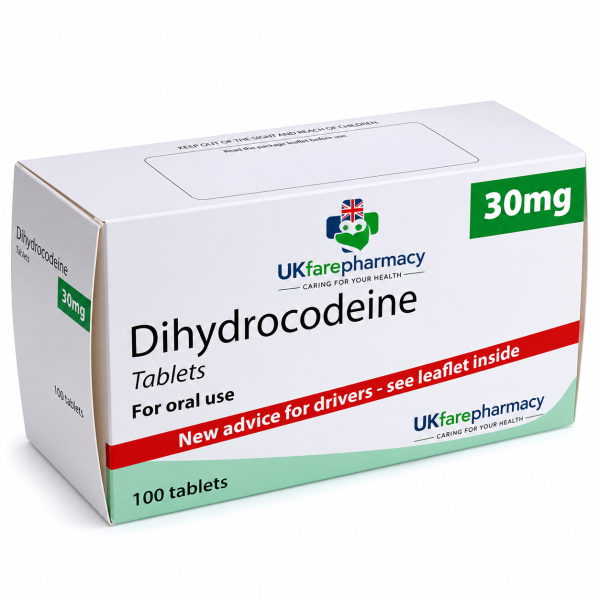
Dihydrocodeine 30mg Pil: Everything You Need to Know
If you have been prescribed Dihydrocodeine 30mg tablets, reading the Patient Information Leaflet (PIL) is an important part of using your medicine safely. The leaflet explains what the medicine is used for, how to take it correctly, possible side effects, precautions, interactions with other medicines, and when to seek medical advice.
This guide summarises the key information commonly found in the UK Dihydrocodeine 30mg Patient Information Leaflet (PIL). It is designed to help you better understand your prescribed medication, but it does not replace the advice of your doctor, pharmacist, or the leaflet supplied with your medicine.
Dihydrocodeine 30mg Pil is a prescription opioid pain medicine used to help manage moderate pain when appropriate. It should only be taken exactly as prescribed by a healthcare professional.
What Does the Dihydrocodeine 30mg PIL Include?
The Patient Information Leaflet typically explains:
What Dihydrocodeine 30mg is used for
Who should and should not take it
How to take the tablets safely
Possible side effects
Important warnings and precautions
Medicines that may interact with Dihydrocodeine
Advice about pregnancy and breastfeeding
Driving and operating machinery
Storage instructions
What to do if you miss a dose
Frequently Asked Questions
What is Dihydrocodeine 30mg used for?
It is prescribed by healthcare professionals for certain types of moderate pain. Your prescriber will decide whether it is suitable for your individual medical needs.
How should I take Dihydrocodeine 30mg?
Always take the medicine exactly as prescribed and follow the instructions in your Patient Information Leaflet. Never take more than your prescribed dose.
Can Dihydrocodeine 30mg cause side effects?
Like all medicines, it can cause side effects in some people. Read the Patient Information Leaflet carefully and contact your healthcare provider if you experience concerning symptoms.
Can I drink alcohol while taking Dihydrocodeine?
The Patient Information Leaflet advises discussing alcohol use with your healthcare professional because combining alcohol with opioid medicines can increase the risk of serious side effects.
Can I drive after taking Dihydrocodeine?
Dihydrocodeine may affect alertness or reaction time. Follow the advice in the Patient Information Leaflet and only drive if you are legally permitted and feel fully capable of doing so.
What should I do if I miss a dose?
Follow the instructions provided in your Patient Information Leaflet or ask your pharmacist for advice. Do not take extra medicine to make up for a missed dose unless instructed by your prescriber.
Can I take Dihydrocodeine with other medicines?
Some medicines may interact with Dihydrocodeine. Always tell your doctor or pharmacist about any prescription medicines, over-the-counter medicines, vitamins, or herbal supplements you are taking.
Where can I find the latest Dihydrocodeine 30mg PIL?
The most up-to-date Patient Information Leaflet is supplied with your medicine and may also be available from the manufacturer or through official UK medicines information resources.
Safe Use Information
To help reduce the risk of harm:
Read the Patient Information Leaflet before taking the medicine.
Take it only as prescribed.
Keep it out of the reach of children.
Do not share prescription medicines with anyone else.
Contact your healthcare professional if you have questions or experience side effects.
Key Takeaway
The Dihydrocodeine 30mg Patient Information Leaflet (PIL) provides essential guidance on safe and effective use of your prescribed medicine. Reading the leaflet carefully and following your healthcare professional’s advice can help you understand your treatment, recognise important precautions, and know when to seek medical advice.
Related topics:
Dihydrocodeine 30mg tablets
Dihydrocodeine Patient Information Leaflet
Dihydrocodeine side effects
Dihydrocodeine dosage guidance
Dihydrocodeine safety information
Dihydrocodeine medicine interactions
UK Patient Information Leaflet (PIL)
