
No products in the cart.
Blog Post
Is 5mg Diazepam Strong? Dosage, Safety & Effects
Is 5mg Diazepam Strong? Dosage, Safety & Effects
Medically reviewed — Last updated August 2026
Short answer:
5mg diazepam is a moderate dose — stronger than the 2mg starting dose but well below the 10mg strength used for more severe symptoms. It’s the most commonly prescribed strength for anxiety, muscle spasms, and short-term insomnia in the UK.
Diazepam (brand name Valium) is a benzodiazepine that works by enhancing GABA, a neurotransmitter that calms brain activity. The right dose always depends on your condition, medical history, and how you respond — a doctor should confirm the correct strength for you. 5mg Diazepam
2mg vs 5mg vs 10mg Diazepam
| Strength | Typical use | Notes |
|---|---|---|
| 2mg | Mild anxiety, muscle spasms, insomnia; often used for tapering | Lowest common adult strength |
| 5mg | Moderate anxiety, muscle spasms, insomnia | Most commonly prescribed strength |
| 10mg | Seizure-related conditions, more severe symptoms | Usually prescribed under closer supervision |
Is 5mg Considered High?
No — 5mg sits in the middle of the typical range. For anxiety and muscle spasms, 2–5mg is standard. For seizures, doctors more often use 5–10mg. Your prescriber sets the dose based on your condition’s severity, not the other way around — if a 5mg dose feels too strong or too weak, that’s worth raising with your doctor rather than adjusting it yourself. 5mg Diazepam
How Diazepam 5mg Is Taken
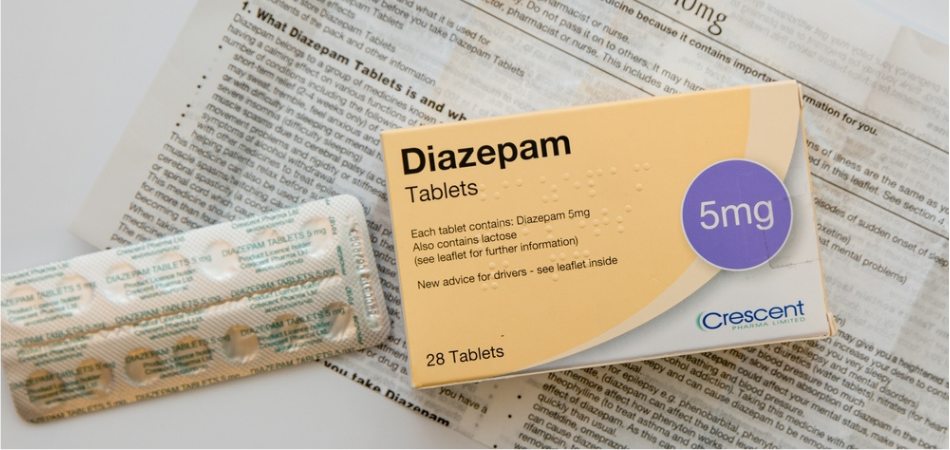
5mg tablets are the most frequently prescribed strength for anxiety, spasms, and insomnia, and are typically supplied as 28 tablets per course after a consultation with a healthcare provider. Diazepam also comes as syrup, capsules, and injectable forms, though tablets are by far the most common. 5mg Diazepam Strong? Dosage, Safety & Effects
Tablets shouldn’t be cut, crushed, or split — this can affect how much of the dose you actually receive. If swallowing tablets is difficult, speak to your doctor about alternative forms. 5mg Diazepam

Effects and How Long They Last
Diazepam typically starts working within 30–60 minutes, with effects lasting roughly 6–12 hours depending on individual metabolism. At 5mg, most people feel calmer and more relaxed rather than sedated — it’s designed to ease anxiety and muscle tension, not induce sleep the way a general anaesthetic would. If you feel excessively drowsy on a 5mg dose, that’s worth discussing with your doctor rather than adjusting the dose yourself.
Because it affects coordination and reaction time, driving or operating machinery isn’t recommended for at least 6–12 hours after taking it. 5mg Diazepam
Safety and Side Effects
5mg diazepam is generally considered safe when taken as prescribed. Common side effects include:
- Drowsiness
- Dry mouth
- Nausea
- Dizziness
- Lack of coordination
- Blurry vision
Less common but more serious effects — memory problems, confusion, or muscle weakness — should prompt a call to your doctor. Diazepam is intended for short-term use; long-term or higher-than-prescribed use can lead to dependence, and stopping should always be done under medical guidance with a proper taper plan.
FAQs
Is 5mg diazepam suitable for anxiety? Yes — 2-5mg is the typical range for anxiety, with 5mg used for more moderate symptoms and 2mg for milder cases.
Is 5mg diazepam suitable for dental anxiety? Yes, 2-5mg is commonly prescribed before dental procedures to reduce pre-treatment anxiety, on your dentist’s instructions.
Can I drive after taking 5mg diazepam? It’s not recommended. Wait at least 6-12 hours, and only drive once your doctor confirms it’s safe.
Will 5mg diazepam knock me out? No — it causes calm and drowsiness, not the deep sedation of a general anaesthetic. Excessive drowsiness should be reported to your doctor.
How do I stop taking diazepam safely? Never stop abruptly after regular use. Speak to your doctor about a tapering plan to manage withdrawal safely.
Is 5mg diazepam right for everyone? It depends on your condition, age, weight, medical history, and other medications. Always discuss your full history with your doctor before starting.
Sources
- NHS: Diazepam
- NHS: About Diazepam
- MHRA: Diazepam 5mg Tablets
- BNF: Diazepam
- GOV.UK: Class 4 Medicines Defect Information
