
No products in the cart.
Blog Post
30mg Dihydrocodeine UK
30mg Dihydrocodeine UK: Dosage, Uses and Side Effects
In the United Kingdom, 30mg Dihydrocodeine is a potent opioid analgesic frequently prescribed for the management of moderate to severe pain. This medication acts directly on the central nervous system to alter how your body perceives discomfort.

30mg Dihydrocodeine
It is vital to recognise that this treatment must only be utilised under the strict supervision of a healthcare professional. You should always follow the specific instructions provided by your doctor or pharmacist to ensure your safety.
This article explores the clinical uses, appropriate dosage, and potential side effects associated with this medicine. We will also examine the risks of dependence and the importance of safe purchasing practices within the dihydrocodeine 30mg uk landscape.
If you experience any urgent warning symptoms, please seek immediate medical attention. Always consult the official patient information leaflet or your local chemist for personalised guidance regarding your health. 30mg Dihydrocodeine
Key Takeaways
- This medication is a prescription-only opioid used for pain relief.
- Always adhere strictly to the dosage prescribed by your medical practitioner.
- Be aware of potential side effects and the risk of physical dependence.
- Consult your doctor or pharmacist for advice tailored to your specific needs.
- Never purchase this medicine from unauthorised or suspicious online sources.
What 30mg Dihydrocodeine Is and How It Works
Understanding how 30mg Dihydrocodeine functions is essential for safe and effective pain management. This medication belongs to a class of drugs known as opioid analgesics, which are primarily used to treat moderate pain that has not responded to simpler painkillers.
How dihydrocodeine affects pain signals
Dihydrocodeine works by binding to specific opioid receptors located within the central nervous system. By attaching to these receptors, the medicine effectively changes how your brain perceives and responds to pain signals sent from the body.
This process does not remove the physical cause of the pain, but it significantly alters your emotional and physical reaction to it. Because it acts directly on the nervous system, it provides significant relief for patients suffering from acute or chronic discomfort. 30mg Dihydrocodeine
Immediate-release and modified-release formulations
It is important to distinguish between the different ways this medication is delivered to your system. The formulation determines how quickly the drug enters your bloodstream and how long its effects will last:
- Immediate-release tablets: These are designed to dissolve quickly, providing rapid relief for sudden or breakthrough pain.
- Modified-release formulations: These tablets are engineered to release the active ingredient slowly over a longer period, offering sustained pain control.
Why the 30mg strength requires careful medical supervision
A dihydrocodeine 30mg tablet represents a specific, potent dose that must be managed under professional guidance. The appropriate dose for any individual is never universal; it depends on several critical factors, including the specific formulation, the severity of the pain, your age, and your previous exposure to opioids. 30mg Dihydrocodeine
Medical supervision is vital because 30mg Dihydrocodeine can cause side effects such as sedation and respiratory depression. Doctors must carefully monitor patients taking dihydrocodeine 30mg to ensure the dosage remains safe and effective, particularly when starting treatment or adjusting the therapeutic plan.
30mg Dihydrocodeine Uses in UK Medical Practice
Understanding the clinical role of dihydrocodeine 30mg uk is essential for safe and effective pain relief. Medical professionals typically reserve this medication for situations where milder analgesics have proven insufficient to manage a patient’s discomfort.
Short-term treatment of moderate pain
In the United Kingdom, this opioid is primarily indicated for the short-term management of moderate pain. Doctors assess the necessity of such treatment carefully, ensuring that the benefits of pain relief outweigh the potential risks associated with opioid use. 30mg Dihydrocodeine
It is not intended for long-term chronic pain management without specialist oversight. By limiting the duration of use, clinicians aim to reduce the likelihood of developing tolerance or physical dependence.
When dihydrocodeine may be prescribed alongside paracetamol
Sometimes, a prescriber may recommend taking dihydrocodeine alongside paracetamol to achieve a synergistic effect. This combination can provide more effective relief than either medication used in isolation.
However, patients must remain vigilant to avoid accidental duplication. Many over-the-counter cold and flu remedies already contain paracetamol, and taking these alongside prescribed medication could lead to a dangerous overdose. 30mg Dihydrocodeine
Why the underlying cause of pain still needs assessment
It is vital to remember that dihydrocodeine acts only to mask pain signals; it does not treat the root cause of the condition. If you experience persistent, worsening, or unexplained pain, you must seek a thorough clinical assessment.
Relying solely on painkillers can delay the diagnosis of serious underlying health issues. Always discuss any changes in your symptoms with your GP or healthcare provider. 30mg Dihydrocodeine
Situations where a different painkiller may be more suitable
There are many instances where a different approach is preferred over using dihydrocodeine 30mg uk. For example, non-opioid medicines or anti-inflammatory drugs may be more appropriate for specific types of musculoskeletal pain.
Your doctor will evaluate your medical history, current medications, and the nature of your pain to determine the safest strategy. In some cases, lifestyle adjustments or physical therapy may offer a more sustainable path to recovery than pharmacological intervention.
30mg Dihydrocodeine Dosage and How to Take It
When you are prescribed 30mg Dihydrocodeine, following the specific directions on your medicine label is the most important safety measure. It is vital to remember that your individual requirements may differ from general advice found online. Always refer to the dihydrocodeine 30mg pil provided with your medication for specific administration guidance tailored to your formulation.
Typical adult dosing instructions for immediate-release tablets
For standard immediate-release tablets, the typical adult dose is often one tablet taken every four to six hours as needed for pain. However, this can vary based on the severity of your condition. Always ensure you are taking the exact dose recommended by your doctor. 30mg Dihydrocodeine
How prescription directions may vary between patients
Your prescriber will determine the most appropriate dose based on your medical history and the nature of your pain. Because individual responses to opioids differ, your specific instructions might be unique to you. Never share your medication with others, even if they appear to have similar symptoms.
Safe dosing intervals and the maximum prescribed amount
Maintaining a consistent interval between doses is essential to avoid toxicity. You must never exceed the maximum prescribed amount within a 24-hour period. If your pain remains unmanaged, contact your GP rather than increasing your intake independently. 30mg Dihydrocodeine
What to do after a missed dose
If you happen to miss a dose, take it as soon as you remember. However, if it is nearly time for your next scheduled dose, skip the missed one entirely. Never double your dose to make up for a forgotten tablet, as this significantly increases the risk of adverse effects. 30mg Dihydrocodeine
Why tablets must not be split, crushed or chewed unless permitted
Modified-release versions of 30mg Dihydrocodeine are designed to release the active ingredient slowly over time. Splitting, crushing, or chewing these tablets can cause the entire dose to enter your system at once, which is potentially dangerous. Always check the dihydrocodeine 30mg pil to confirm if your specific tablets are suitable for modification. 30mg Dihydrocodeine
Who May Need a Different Dose or Extra Monitoring
Adjusting the dosage of dihydrocodeine 30mg is often essential for patients with specific health conditions. Medical professionals must evaluate your full clinical history to ensure that the treatment remains both effective and safe. A personalised approach helps to minimise the risk of adverse reactions while managing pain effectively. 30mg Dihydrocodeine

dihydrocodeine 30mg
Older adults and people who are frail
Patients who are elderly or physically frail often experience a slower metabolism. This can lead to the medicine remaining in the system for longer than expected. Doctors may recommend a lower starting dose to prevent excessive sedation or confusion.
Kidney or liver impairment
The body relies on the liver and kidneys to process and clear dihydrocodeine 30mg from the bloodstream. If these organs are not functioning at full capacity, the drug may accumulate to dangerous levels. Close monitoring is required to adjust intervals between doses based on individual organ function. 30mg Dihydrocodeine
Breathing disorders, sleep apnoea and respiratory vulnerability
Opioids can suppress the drive to breathe, which poses a significant risk to those with pre-existing respiratory issues. Individuals suffering from sleep apnoea or chronic obstructive pulmonary disease (COPD) must disclose these conditions before starting treatment. Caution is paramount to avoid life-threatening respiratory depression.
“Clinical assessment must always precede the prescription of opioid analgesics, particularly in patients with compromised respiratory function or neurological vulnerabilities.”
— Medical Safety Guidelines
Head injuries, reduced consciousness and seizure disorders
Dihydrocodeine can mask the symptoms of a head injury or increase intracranial pressure. Furthermore, it may lower the threshold for seizures in susceptible individuals. It is vital to inform your prescriber if you have a history of epilepsy or recent head trauma. 30mg Dihydrocodeine
Pregnancy, breastfeeding and fertility considerations
The use of this medication during pregnancy requires a careful balance of risks and benefits. Regular use near the time of delivery may lead to withdrawal symptoms or sedation in the newborn. 30mg Dihydrocodeine
- Discuss potential impacts on the baby with your midwife or doctor.
- Avoid breastfeeding while taking this medication unless explicitly advised by a specialist.
- Seek guidance if you are planning a pregnancy.
Children and young people
Children and young people should receive dihydrocodeine 30mg only when specifically prescribed under strict clinical supervision. Age and formulation restrictions are enforced to prevent accidental overdose. Always ensure that the medicine is kept in a secure location, away from the reach of children.
Common Side Effects of Dihydrocodeine 30mg
Understanding the potential side effects of 30mg dihydrocodeine is an essential part of managing your pain treatment safely. While this medication is highly effective for moderate pain, it is common for patients to experience mild physical reactions as the body adjusts to the treatment. 30mg Dihydrocodeine
Constipation and practical prevention measures
Constipation is one of the most frequently reported side effects of opioid-based pain relief. To manage this, it is crucial to maintain adequate fluid intake and include sufficient dietary fibre in your meals.
Where medically appropriate, gentle movement or light exercise can also help stimulate bowel function. If these measures are insufficient, your doctor may recommend a suitable laxative to keep you comfortable during your treatment. 30mg Dihydrocodeine
Nausea, vomiting and stomach discomfort
Many patients feel slightly nauseous when they first start taking this medication. This sensation often subsides after a few days as your system becomes accustomed to the dose. 30mg Dihydrocodeine
Taking your tablets with or after food can often help to reduce stomach discomfort. If you find that vomiting persists, you should contact your healthcare provider for further advice.
Drowsiness, dizziness and impaired concentration
It is common to feel drowsy or light-headed shortly after taking a dose. Because these effects can significantly impair your concentration and reaction times, you must avoid driving or operating heavy machinery.
Always ensure you are in a safe environment when you first begin your course of treatment. This allows you to gauge how the medication affects your alertness before attempting daily tasks.
Dry mouth, sweating and other less serious effects
Some individuals may notice a dry mouth or increased sweating while using this medicine. These symptoms are generally mild and do not usually require medical intervention.
Staying hydrated can help alleviate the feeling of a dry mouth. If these symptoms become bothersome, keep a record of when they occur to discuss with your pharmacist.
When persistent side effects should be reported to a prescriber
While most side effects are manageable, you should always consult the dihydrocodeine 30mg pil for a full list of potential reactions. If any side effect becomes persistent, worsens, or causes you significant distress, please contact your prescriber promptly.
Seek urgent medical attention if you experience signs of severe sedation, confusion, or difficulty breathing. Your safety remains the priority throughout your pain management journey.
Serious Reactions and Signs of Overdose
Recognising the signs of an adverse reaction or overdose is a critical part of using dihydrocodeine 30mg safely. While this medication is effective for managing moderate pain, it is a potent opioid that requires careful handling to avoid life-threatening complications.
Slow or shallow breathing and extreme sleepiness
The most dangerous effect of opioid toxicity is respiratory depression. If you notice that a person is breathing very slowly, shallowly, or has stopped breathing altogether, this is a medical emergency.
Extreme sleepiness or an inability to stay awake is another major warning sign. If the individual cannot be roused from a deep sleep, you must act immediately.
Confusion, fainting, blue lips or inability to wake
Opioid overdose can manifest through sudden changes in mental state. Watch for signs of severe confusion, dizziness, or fainting spells.
Physical indicators such as blue or grey-tinted lips and fingernails suggest that the body is not receiving enough oxygen. These symptoms require immediate professional intervention to prevent further harm.
Allergic reactions requiring urgent medical help
Although less common than overdose, serious allergic reactions can occur. Seek emergency care if you observe swelling of the face, lips, or throat, which can obstruct the airway.
Other warning signs include the sudden onset of a widespread, itchy rash or difficulty breathing. These symptoms indicate a severe immune response that necessitates urgent clinical assessment.
What to do if too many tablets have been taken
If you suspect that someone has ingested too many dihydrocodeine 30mg tablets, you must seek help right away. Even if the person appears to be feeling fine initially, symptoms can worsen rapidly as the medication is absorbed into the bloodstream.
“Safety is not just about following the dosage; it is about knowing exactly when to seek help if the unexpected occurs.”
Contacting 999, NHS 111 or the Northern Ireland urgent care service
In the event of a suspected overdose or life-threatening reaction, call 999 immediately for an ambulance. Always keep the original packaging of the dihydrocodeine 30mg to show the paramedics or hospital staff, as this provides vital information for treatment.
- For urgent medical advice in England, Wales, and Scotland, contact NHS 111.
- In Northern Ireland, contact your local urgent care service or GP out-of-hours provider.
- Do not wait for symptoms to escalate before reaching out for professional guidance.
Interactions With Medicines, Alcohol and Other Substances
Many common substances can significantly alter the effects of dihydrocodeine 30mg in your body. It is essential to understand that mixing medications or substances can lead to unpredictable and potentially dangerous health outcomes.
Why alcohol increases sedation and breathing risks
You should strictly avoid consuming alcohol while taking this medication. Alcohol acts as a central nervous system depressant, which compounds the sedative effects of the drug.
This combination significantly increases the risk of dangerously slow or shallow breathing. Such respiratory depression can be life-threatening and requires immediate medical attention.
Sleeping tablets, benzodiazepines and other sedatives
Combining dihydrocodeine 30mg with other sedatives can be extremely hazardous. Medicines such as benzodiazepines, which are often prescribed for anxiety or sleep, carry similar risks to opioids.
Taking these together may lead to excessive drowsiness, confusion, and a loss of motor coordination. Always consult your prescriber before mixing any sleep aids with your pain relief regimen.
Other opioid medicines and medicines containing codeine
Patients must avoid taking multiple opioid medicines simultaneously unless explicitly directed by a doctor. Many over-the-counter cough syrups or cold remedies contain codeine, which is closely related to dihydrocodeine.
“Safety in pain management is not just about the dose, but about the total burden of substances on your central nervous system.”
Duplicating these ingredients can lead to an accidental overdose. Always check the labels of all medications to ensure you are not doubling up on active ingredients.
Antidepressants, antihistamines and medicines that cause drowsiness
Certain antidepressants and sedating antihistamines can also interact negatively with your treatment. These medications may enhance the side effects of your pain relief, such as dizziness or impaired concentration.
If you are currently taking any medication that makes you feel sleepy, discuss this with your healthcare provider. They may need to adjust your dosage or suggest an alternative to ensure your safety.
Informing doctors, dentists and pharmacists about dihydrocodeine use
Communication is your best defence against harmful drug interactions. You must inform all healthcare professionals, including dentists and pharmacists, that you are taking dihydrocodeine 30mg.
- Mention your current medication before starting any new treatment.
- Disclose your use of opioids before undergoing dental procedures or surgery.
- Ask your pharmacist to check for potential interactions with any new prescriptions.
Being proactive ensures that your medical team can provide the safest possible care for your specific needs.
Dependence, Tolerance and Withdrawal Risks
It is important to recognise the risks associated with the prolonged use of dihydrocodeine 30mg. While this medication is effective for managing moderate pain, consistent use can lead to physiological changes in how your body processes the drug.
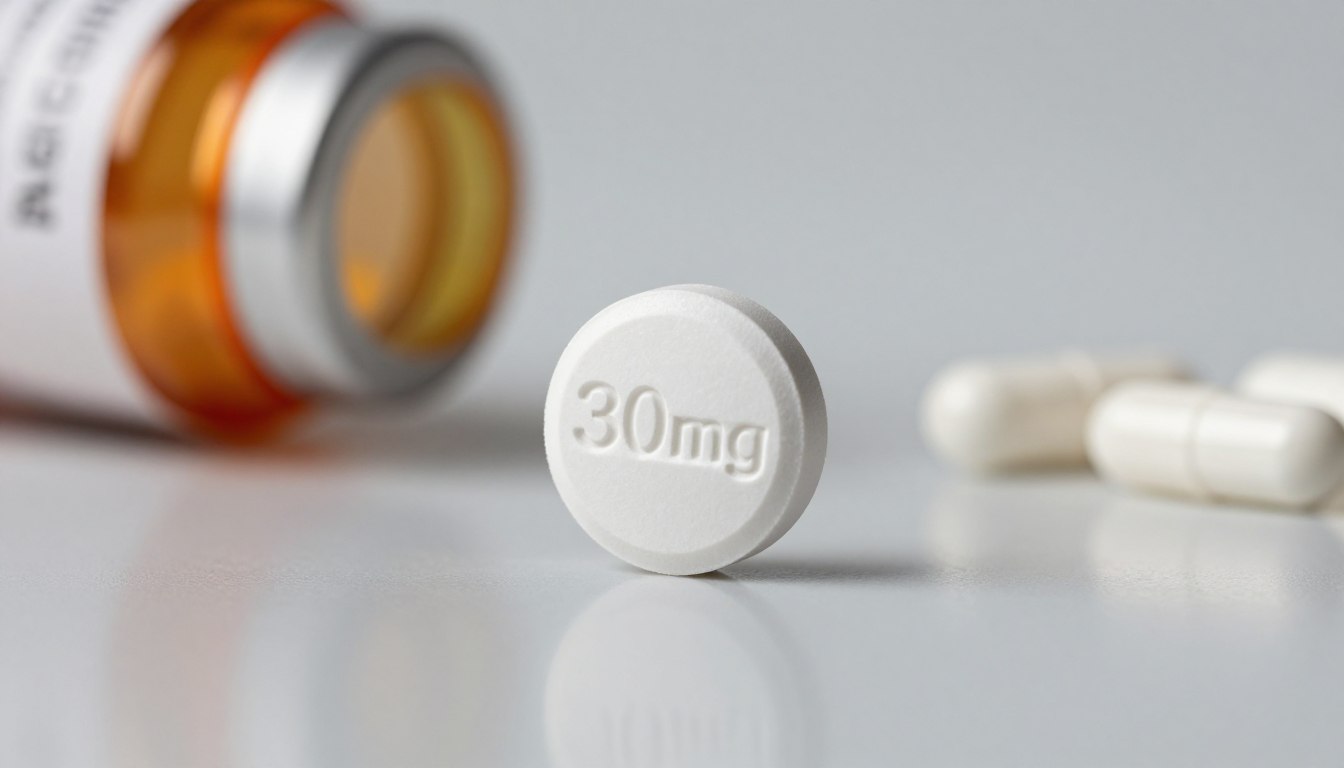
dihydrocodeine 30mg
How tolerance and physical dependence can develop
Tolerance occurs when your body becomes accustomed to a specific dose, meaning the same amount of dihydrocodeine 30mg may eventually provide less pain relief than it did initially. This is a common physiological response to many opioid medications.
Physical dependence can also develop, even when the medicine is taken exactly as prescribed by a doctor. This means that your body has adapted to the presence of the drug, and you may experience physical symptoms if the medication is suddenly removed.
Symptoms that may indicate problematic use
Being aware of your usage patterns is vital for your long-term health. Warning signs that your relationship with the medication may be becoming problematic include taking more tablets than directed or feeling a strong craving for the next dose.
You might also notice a loss of control over how much you consume or find yourself continuing to use the medicine despite experiencing negative side effects. If you feel that your use of dihydrocodeine 30mg is no longer strictly for pain management, you should speak with your healthcare provider immediately.
Why treatment should not be stopped suddenly after regular use
If you have been taking this medication regularly for an extended period, you must not stop taking it abruptly. Sudden discontinuation can trigger uncomfortable withdrawal symptoms as your body adjusts to the absence of the drug.
Common withdrawal symptoms may include anxiety, sweating, restlessness, stomach upset, and flu-like discomfort. These reactions can be distressing, which is why a structured approach to stopping the medication is necessary.
How a prescriber can plan a gradual dose reduction
Your doctor is the best person to help you manage the process of coming off the medication safely. They can create an individualised, gradual dose reduction plan, often referred to as tapering.
This slow reduction allows your body to adjust safely, significantly minimising the risk of withdrawal. Your prescriber will also arrange follow-up support to monitor your progress and ensure you remain comfortable throughout the transition away from dihydrocodeine 30mg.
Driving, Storage and UK Prescription Safety Advice
Ensuring the secure use and storage of your pain relief medication is essential for your safety and that of your household. When you are prescribed dihydrocodeine 30mg UK, it is important to follow specific guidelines to prevent accidents and ensure the medicine remains effective.
Driving and operating machinery while taking dihydrocodeine
This medication can cause drowsiness, dizziness, and blurred concentration. You may also experience slowed physical reactions, which can significantly impair your ability to drive or operate heavy machinery safely.
These effects are most common when you first start treatment or whenever your dose is adjusted. Always assess how the medicine affects you before attempting to drive or use tools, and avoid these activities if you feel impaired.
Keeping tablets away from children and other household members
Store your medication in a secure location, ideally in a locked cabinet or a high cupboard. It is vital to keep tablets out of the sight and reach of children, visitors, and other household members to prevent accidental ingestion.
Never share your prescribed medication with anyone else, even if they have similar symptoms. Sharing prescription drugs is dangerous and illegal.
Returning unused medicines to a community pharmacy
If you have tablets left over after your treatment has finished, do not dispose of them in your household bin or down the toilet. Instead, take any unused medication to your local community pharmacy.
Pharmacists are trained to dispose of these items safely and environmentally. This simple step helps protect the community and prevents the risk of accidental misuse.
Understanding the UK prescription-only status
In the UK, this medication is strictly prescription-only. This means that a lawful supply requires a thorough clinical assessment by a healthcare professional and an authorised prescription.
Attempting to buy dihydrocodeine 30mg pil from unregulated sources is unsafe and carries significant health risks. Always obtain your medicine through legitimate medical channels to ensure quality and safety.
Checking the dihydrocodeine 30mg PIL and authorised medicine information
Every pack of medication comes with a Patient Information Leaflet (PIL). You should read the current dihydrocodeine 30mg PIL carefully before you take your first dose.
The leaflet contains formulation-specific warnings, detailed storage instructions, and essential advice regarding your treatment. If you have any questions, consult your doctor or pharmacist for further clarification.
Buying Dihydrocodeine 30mg Safely in the UK
Obtaining 30mg dihydrocodeine in the UK requires strict adherence to legal medical channels. This medication is a controlled substance that necessitates a thorough clinical assessment by a qualified healthcare professional.
Because of the potential for side effects and dependency, your doctor must monitor your progress regularly. This ensures that the treatment remains both safe and effective for your specific condition.
Why a valid prescription is required
A valid prescription is the only lawful way to obtain this medicine. It serves as a safeguard, confirming that a clinician has reviewed your medical history and determined that the benefits outweigh the risks.
Without this formal oversight, you risk taking medication that may be unsuitable for your health profile. Proper clinical supervision is essential to manage your pain safely while avoiding complications.
Risks associated with websites offering “buy dihydrocodeine 30mg” without checks
You may encounter online platforms that claim you can buy dihydrocodeine 30mg pil without a prescription. These websites operate outside of UK law and pose significant dangers to your wellbeing.
Purchasing from such sources often leads to receiving counterfeit tablets. These products may contain incorrect strengths, harmful fillers, or even toxic substances that have not been approved for human consumption.
How to identify a legitimate UK pharmacy
To ensure you are receiving genuine medication, always use a registered pharmacy. Legitimate providers in the dihydrocodeine 30mg uk market will display their General Pharmaceutical Council (GPhC) registration number clearly.
They should provide transparent contact details, including a physical address and a telephone number. Furthermore, they will always require a valid prescription before dispensing any controlled medication.
Counterfeit tablets, incorrect strengths and contaminated products
The dangers of unregulated supply chains are severe. Counterfeit versions of this medicine often look identical to the real product, making them difficult to spot without laboratory testing.
Using these products can lead to unpredictable health outcomes. The following table highlights the risks associated with obtaining medication from unverified sources:
| Risk Factor | Potential Consequence | Safety Impact |
| Counterfeit Tablets | Unknown ingredients | High risk of toxicity |
| Incorrect Strength | Overdose or under-dosing | Ineffective pain relief |
| Contamination | Bacterial or chemical impurities | Severe allergic reactions |
| Lack of Oversight | No medical monitoring | Increased dependency risk |
Questions to ask a pharmacist before collecting or using the medicine
Before you start your course, it is wise to speak with your pharmacist. They can provide valuable insights into the dihydrocodeine 30mg pil and ensure you understand how to take it correctly.
Consider asking the following questions to improve your safety:
- What is the specific formulation of this tablet?
- Are there any known interactions with my current medications?
- What is the best way to store this medicine at home?
- How should I manage potential side effects like nausea or constipation?
- Where can I find the most recent patient information leaflet?
Conclusion
Managing moderate pain requires a careful balance between effective relief and personal safety. While 30mg Dihydrocodeine serves as a useful tool for short-term relief, its use demands strict adherence to prescribed instructions. Regular reviews with your doctor ensure that the treatment remains appropriate for your specific health needs.
Safety priorities include monitoring for breathing difficulties and avoiding alcohol or sedatives that increase sedation risks. Secure storage prevents accidental ingestion by others in your household. Because physical dependence can develop over time, any plans to adjust your dose or stop taking dihydrocodeine 30mg must be managed through a structured plan provided by your medical team.
Always consult your GP, pharmacist, or NHS 111 services if you have concerns about your medication. Reading the authorised patient information leaflet provided with your 30mg Dihydrocodeine remains essential for understanding your treatment. Professional guidance ensures you manage your pain effectively while protecting your long-term wellbeing.
FAQ
What is 30mg dihydrocodeine and how does it work to relieve pain?
A: 30mg dihydrocodeine is a strong opioid analgesic prescribed for the short-term treatment of moderate pain. It works by acting on the central nervous system to alter how the brain perceives and responds to pain signals. In the UK, it is available in various forms, including immediate-release tablets for faster relief and modified-release versions, such as DHC Continus, designed to provide steady pain management over a longer period.
Can I take this medication alongside paracetamol?
Yes, dihydrocodeine 30mg is sometimes prescribed alongside paracetamol to enhance pain relief. However, you must be extremely careful not to accidentally double up on ingredients. Many combination treatments, such as Co-dydramol, already contain both paracetamol and dihydrocodeine. Always check the dihydrocodeine 30mg pil (Patient Information Leaflet) or consult a Boots or LloydsPharmacy pharmacist to ensure you are not exceeding the safe daily limit of either drug.
What are the typical dosing instructions for dihydrocodeine 30mg UK patients?
The specific dosage depends on your clinical needs, age, and previous experience with opioids. You must follow the directions on your authorised dispensing label. Generally, immediate-release tablets are taken every four to six hours, while modified-release tablets are taken every 12 hours. You must never crush, split, or chew modified-release tablets, as this can cause the entire dose to be released at once, increasing the risk of a fatal overdose.
What should I do if I miss a dose of my 30mg dihydrocodeine?
If you forget to take a dose, check the dihydrocodeine 30mg pil for specific guidance. Generally, you should take the missed dose as soon as you remember, unless it is almost time for your next scheduled dose. Never take two doses at the same time to make up for a forgotten one, as this increases the risk of respiratory depression and severe sedation.
What are the most common side effects I should expect?
Many patients taking dihydrocodeine 30mg experience constipation, nausea, and drowsiness. To manage constipation, it is recommended to increase your intake of water and dietary fibre, though your GP may also prescribe a laxative like Senna or Lactulose. Other common effects include dizziness, dry mouth, and sweating. If these symptoms become persistent or troublesome, you should contact your doctor for a review.
Are there serious risks associated with taking this medication long-term?
Yes, dihydrocodeine 30mg uk supply is strictly regulated because long-term use can lead to tolerance and physical dependence. Tolerance means you may find the standard dose becomes less effective over time. If you find yourself craving the medicine or taking more than prescribed, you should seek help from a healthcare professional. To avoid withdrawal symptoms like anxiety, tremors, and flu-like aches, your doctor will help you create a plan to gradually reduce your dose.
Can I drive or drink alcohol while using 30mg dihydrocodeine?
You should avoid alcohol entirely while taking this medication, as it dangerously increases the risk of extreme sleepiness and breathing difficulties. Regarding driving, it is a criminal offence in the UK to drive if your ability is impaired by drugs. Because dihydrocodeine 30mg can cause blurred concentration and slow reaction times, you should not drive or operate machinery until you are certain the medicine does not affect your safety.
Who should avoid or take extra care with this medication?
Extra monitoring is required for older or frail adults, as well as individuals with kidney or liver impairment. You must inform your prescriber if you have a history of breathing disorders, sleep apnoea, head injuries, or seizures. If you are pregnant or breastfeeding, you must have a detailed discussion with your midwife or doctor, as opioids can pass to the baby and cause neonatal withdrawal or sedation.
How can I identify a safe place to buy dihydrocodeine 30mg pil authorised products?
You should only obtain this medication through a legitimate UK pharmacy with a valid prescription. Be wary of websites that allow you to buy dihydrocodeine 30mg pil without a clinical assessment, as these often sell counterfeit or contaminated tablets. Look for the General Pharmaceutical Council (GPhC) registration green logo and ensure the provider has a physical UK address and transparent contact details.
What are the signs of an overdose and what should I do?
Signs of a serious reaction or overdose include slow or shallow breathing, extreme sleepiness, confusion, blue-tinged lips, or an inability to wake up. This is a medical emergency. You should call 999 immediately or go to the nearest Accident and Emergency department. If you are in England, Scotland, or Wales and require urgent but non-life-threatening advice, you can contact NHS 111. Always keep the original packaging to show the medical team exactly what has been taken.
